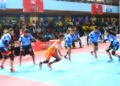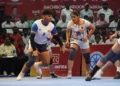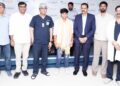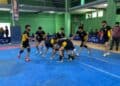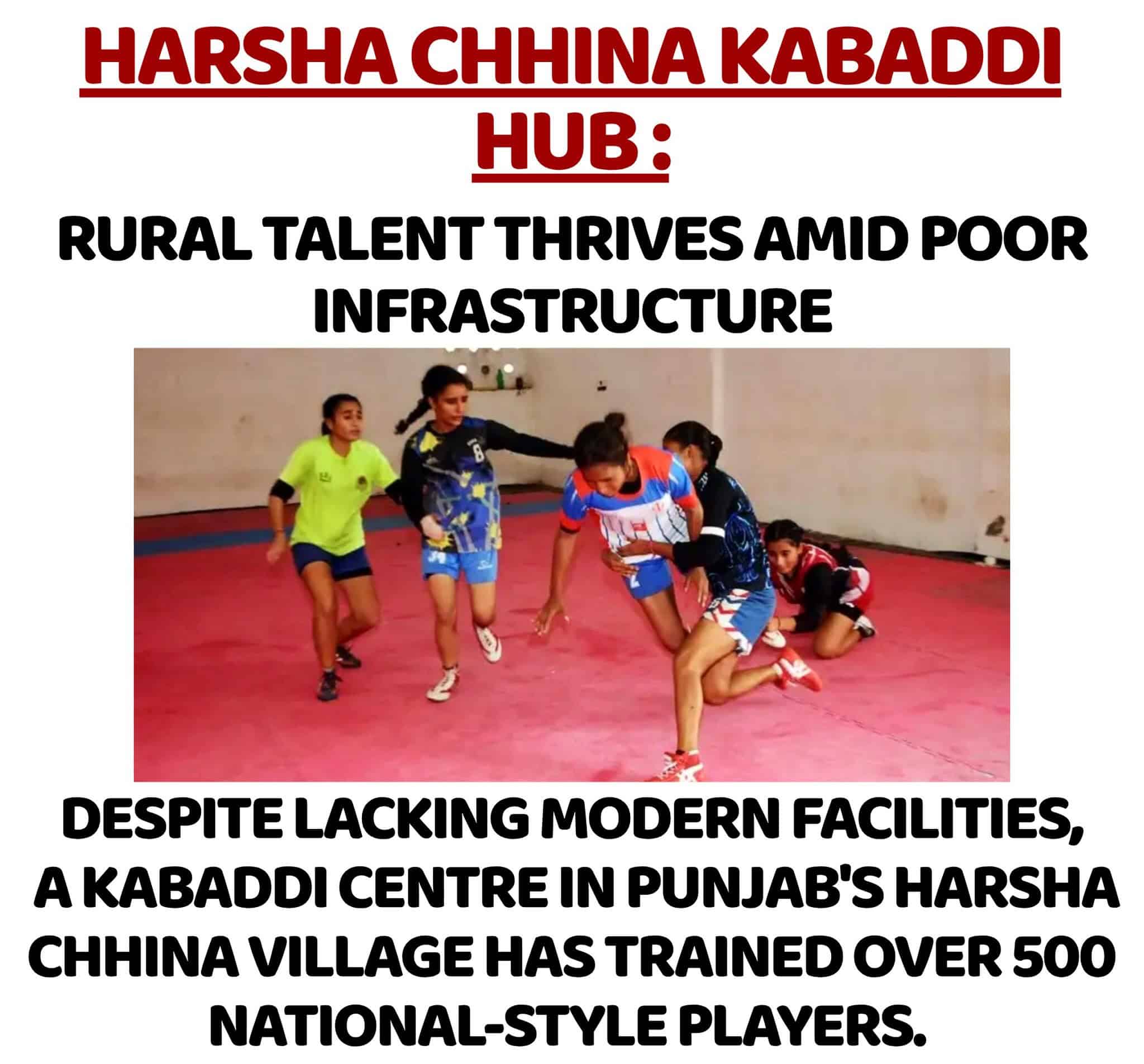
In Punjab’s Amritsar district, a small village is quietly building a strong pipeline of young kabaddi players. Harsha Chhina village, along with the nearby training setup in Kukrawala, has become an important grassroots centre for modern kabaddi in rural Punjab.
Despite limited sports facilities, the academy has produced players who have competed at state and national levels, while some have also earned opportunities in the armed forces. The story of Harsha Chhina kabaddi shows how local coaching and community support can help develop India’s next generation of athletes.
Building Players Without Big Facilities
The training centre is led by Ranjit Singh, a former All India University Championship player who has spent more than 14 years coaching young athletes.
During this period, he has worked with more than 500 players. More than 300 trainees have represented their states or institutions at national championships, while the academy has recorded 68 top three finishes across different competitions over the past decade.
Around 90 players currently train at the centre. The group includes approximately 30 female athletes and players from Under-14, Under-17, Under-19, junior and senior levels.
These numbers underline the importance of the academy to Punjab kabaddi.
Moving From Circle Kabaddi to Mat Kabaddi
One of the biggest changes introduced by Ranjit Singh was the shift from traditional circle style kabaddi to modern seven player mat kabaddi.
Circle kabaddi has deep roots in rural Punjab and is usually played outdoors on a dirt surface, with a strong focus on one-on-one contests between raiders and defenders. Modern mat kabaddi requires different movement, teamwork and tactical understanding.
The academy now focuses entirely on the national style of the sport. This gives young players experience that can prepare them for competitions such as the National Games, All India University tournaments and eventually the Pro Kabaddi League.
The change has helped create a direct pathway from village-level kabaddi training in Punjab to higher levels of competition.
Players Making Their Mark
Several players from the academy have already made an impact. Gursahib Singh represented Punjab at the Senior National Kabaddi Championship in Odisha and helped the state win a bronze medal.
That result was particularly significant because it ended Punjab’s 18-year wait for a senior national championship podium finish.
Other promising players include Jobanjeet Singh, who was part of an All India Sub-Junior India camp, and Rajbir Singh, who earned selection for an All India Junior India camp.
These players represent the potential that exists in rural areas when young athletes receive consistent coaching.
Support From the Community
The academy operates from a village hall supported by Government Senior Secondary School, Harsha Chhina. The Punjab Sports Department has also provided specialised dietary support for 21 national level competitors.
This combination of coaching, education and government assistance has helped create a more stable environment for young players.
For youngsters living in Punjab’s border districts, kabaddi can also provide a route towards financial security. More than 10 male trainees have earned recruitment opportunities in the Indian Army, while a female player has joined the CRPF.
A Grassroots Model for Indian Kabaddi
The success of Harsha Chhina demonstrates that producing Indian kabaddi talent does not always require expensive academies or major sports centres.
With committed coaches, community involvement and opportunities to compete, rural players can develop into athletes capable of representing their state and country.
The academy’s journey also shows why grassroots development remains important to the future of Indian kabaddi. From a village training hall to national championships and government careers, Harsha Chhina is proving that the next generation of kabaddi stars can emerge from anywhere.