Long before packed arenas, professional leagues and television broadcasts, Kabaddi had already made a remarkable impression on the global sporting stage. One of the most fascinating chapters in the History of Kabaddi at the Olympics dates back to the 1936 Berlin Olympics, when a group of Indian athletes introduced the traditional sport to an international audience.
Although Kabaddi was not part of the official Olympic competition, its exhibition during events held alongside the Games left a lasting impression and became a significant moment in the sport’s journey toward global recognition.
Kabaddi at the 1936 Olympics
The story of Kabaddi at the 1936 Olympics began with the efforts of the Hanuman Vyayam Prasarak Mandal (HVPM), a physical education institute based in Amravati, Maharashtra.
Led by Vice President Dr. Siddhanath Kane, the institute wanted to showcase India’s traditional sports to the world. After discussions with Carl Diem, the chief organizer of the Berlin Olympics, permission was granted for an Indian contingent to demonstrate indigenous sports during events held alongside the Games.
A 35-member group travelled to Germany. Unlike India’s official Olympic team, which included the legendary hockey side led by Dhyan Chand, this contingent was unofficial and marched under a saffron flag rather than the British Union Jack.
Berlin Olympics Kabaddi History
The Berlin Olympics Kabaddi History became memorable almost immediately.
The Indian athletes demonstrated several traditional disciplines, including Mallakhamb and Kho Kho, but Kabaddi attracted the greatest attention.
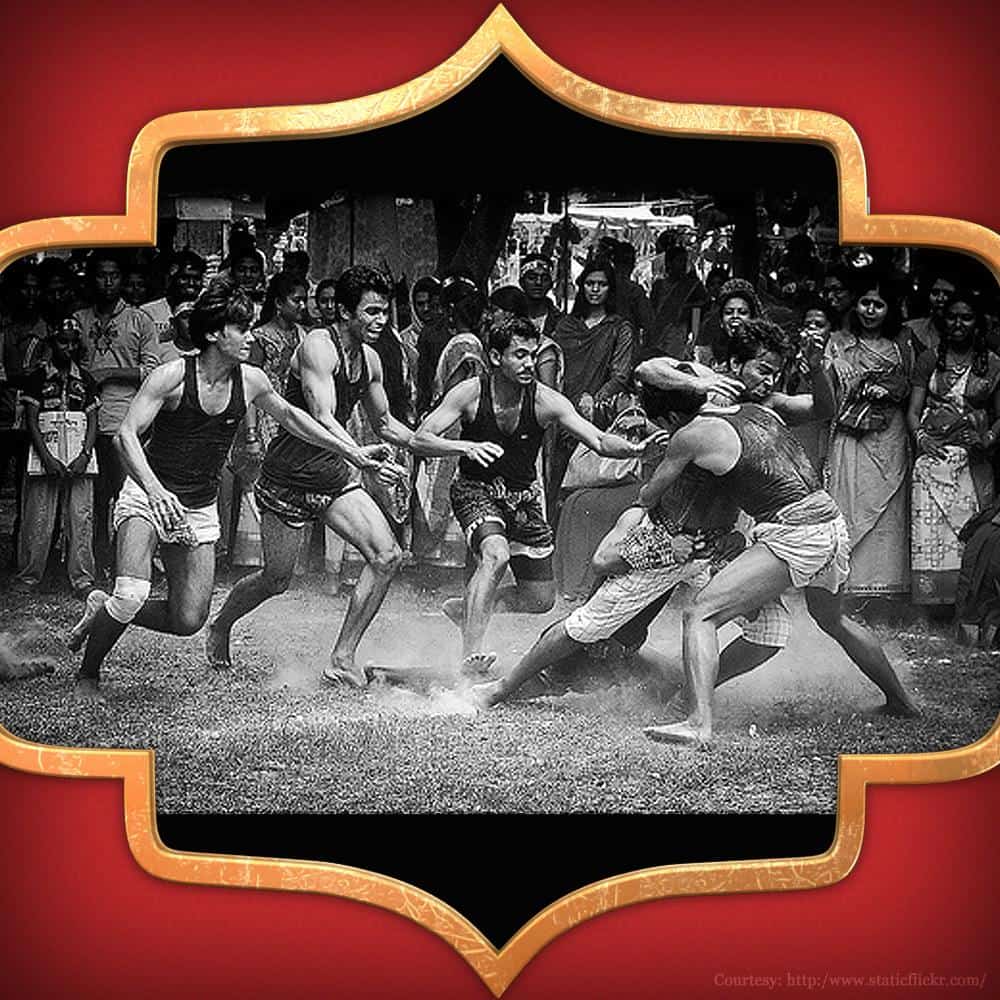
The first 40-minute match was held at Berlin University. Many spectators had never seen the sport before and watched in amazement as players showcased their speed, strength, agility and teamwork. The combination of quick raids, powerful tackles and constant movement captivated the crowd.
The response was so enthusiastic that spectators demanded more. The Indian team reportedly played a second and then a third match because the audience refused to let the demonstration end.
Journalist VB Kaptan, who accompanied the delegation, wrote that athletes from different countries became eager to understand the rules and techniques of the game after watching the demonstrations.
A Historic Meeting
The impressive displays eventually drew the attention of senior Nazi officials, including Adolf Hitler.
According to historical accounts, Hitler met the Indian delegation and reportedly asked Dr. Siddhanath Kane whether the players represented the average physical fitness of Indians. The athletes, many of whom supported India’s independence movement, reportedly declined to perform the Nazi salute during the meeting while continuing to represent their culture with pride.
The delegation later received an honorary medal in recognition of its contribution to the physical culture displays held alongside the Berlin Games.
Was Kabaddi an Official Olympic Sport?
While the event is often associated with the Olympics, it is important to understand its official status.
Kabaddi was not an official Olympic medal sport and was not formally listed as an official demonstration sport by the International Olympic Committee. Instead, it was presented during the International Sports Pedagogic Congressand other physical culture exhibitions that took place alongside the Berlin Olympics.
Even so, the demonstrations gave Kabaddi valuable international exposure.
A Lasting Legacy
The success of the Berlin visit helped strengthen the sport’s reputation in India. Just two years later, Kabaddi was included in the Indian Olympic Games in Calcutta in 1938, marking another important milestone in its development.
Today, the events of 1936 remain one of the most celebrated chapters in the History of Kabaddi at the Olympics, showing how a traditional Indian sport captured worldwide attention and laid the foundation for its future growth on the international stage.