Before 2014, kabaddi was mostly seen as a traditional rural sport in India. It was usually played in villages during local festivals and school events. Even though the sport had a strong cultural connection, it did not receive much attention from big sponsors, television networks, or city audiences.
Everything changed when the Pro Kabaddi League was launched in 2014. The league gave kabaddi a modern image and introduced it to millions of viewers across the country. Today, PKL is one of the biggest sports leagues in India and has completely changed how people see kabaddi.
The success of PKL is one of the biggest examples of how pro kabaddi changed Indian sports in recent years.
Modern Presentation Changed the Sport’s Image
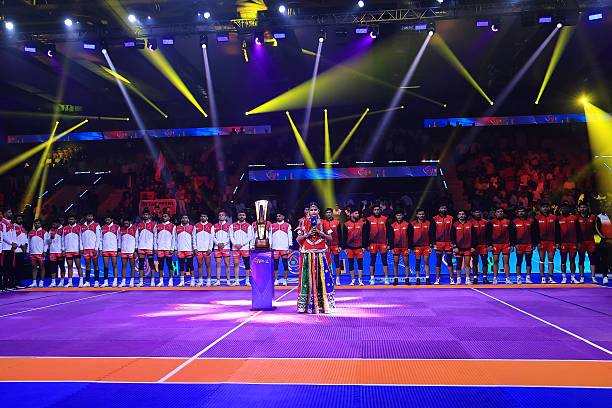
One of the main reasons behind the success of PKL was its presentation. Earlier, kabaddi was mostly played on mud grounds in open areas. PKL moved the sport into indoor stadiums with colorful mats, bright lights, loud music, and modern camera angles.
This made the game look exciting and professional on television. Viewers could clearly see the speed, tackles, and action during raids. Better sound effects also made every tackle feel more intense and entertaining.
The fast format of PKL also helped attract younger audiences. A match lasts only around 40 minutes and keeps fans engaged from start to finish. This modern setup played a huge role in the evolution of professional kabaddi.
New Rules Made Matches More Exciting
PKL also introduced rules that increased the entertainment value of the game. The 30-second raid clock forced players to attack quickly and stopped teams from wasting time.
The Do-or-Die raid rule added more pressure and drama. If a team failed to score in two raids, the next raider had to score or get out. This created exciting moments in almost every match.
The Super Tackle rule also became very popular among fans. When only three defenders remain on the mat, a successful tackle gives two points instead of one. This rule often helps teams make dramatic comebacks.
These changes helped improve the growth of kabaddi in india because matches became easier and more enjoyable for viewers to follow.
Regional Identity Helped Build Fan Bases
Another major reason for PKL’s success was its focus on regional support. Teams represented different cities and states, which helped fans connect emotionally with franchises.
The league also provided commentary in many languages such as Hindi, Tamil, Telugu, Kannada, and English. This allowed people from different parts of India to enjoy the matches comfortably.
As a result, kabaddi started gaining popularity not only in villages but also in large cities and urban areas. The fan following grew rapidly across television and social media platforms.
Celebrities and Big Companies Added Popularity
Celebrity owners and corporate companies also helped kabaddi become mainstream. Famous personalities like Abhishek Bachchan and large business groups invested in teams and promoted the league heavily.
This gave PKL instant popularity among city audiences and attracted major sponsors. Big brands started seeing kabaddi as an important platform to reach millions of Indian viewers.
The rising player salaries also showed the huge growth of kabaddi in India. Many young players from small towns began earning life-changing money through the league.
PKL Changed Lives and Created New Dreams
Perhaps the biggest impact of PKL has been on young athletes. Before the league, kabaddi was not seen as a stable career option. Today, talented players from villages can become national stars and earn professional contracts.
The New Young Player system has helped teams discover fresh talent from different regions of India. Many youngsters now dream of becoming professional kabaddi players just like cricketers or footballers.
The evolution of professional kabaddi has turned the sport into a modern entertainment league while still keeping its traditional roots alive. PKL has not only changed kabaddi but also changed Indian sports culture forever.