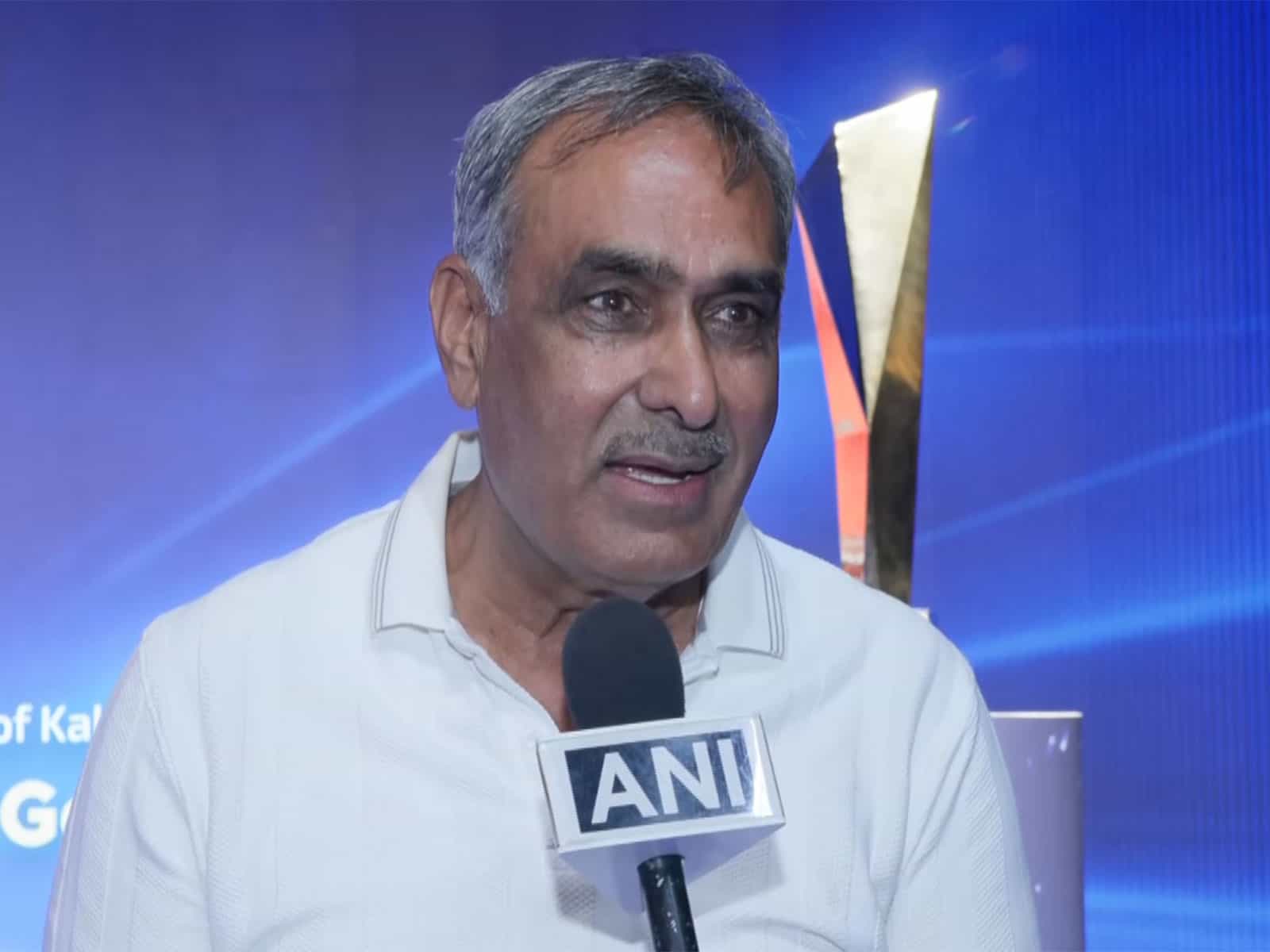
Former India men’s kabaddi head coach and Dronacharya Awardee Rambir Singh Khokhar has highlighted the growing role of the Kabaddi Champions League (KCL) in developing India’s next generation of players. Khokhar pointed out that nine of the 12 players selected in India’s men’s kabaddi squad for the 2026 Asian Games have emerged through the KCL ecosystem.
Speaking at the launch of KCL Season 2 in New Delhi, Khokhar described the number as a major contribution from the competition. His comments underline the growing importance of the league as a platform where players can perform at a high level and put themselves in contention for national selection.
KCL Players Make Strong Impact
The 9 KCL players Asian Games connection is particularly significant because seven of the eight franchises from the inaugural season produced players for India’s 12 member squad.
Ashu Malik, who represented Hisar Heroes, has established himself as one of the leading raiders in the group. Devank Dalal of Bhiwani Bulls and Ayan Lauchab of Sonipat Stars are also part of the squad, while defenders Sunil Malik of Karnal Kings, Jaideep Dahiya of Faridabad Fighters and Rahul Setpal of Gurugram Gurus add defensive strength.
Ankit Jaglan of Panipat Panthers completes the list of seven players directly linked with the inaugural KCL franchises. The wider KCL ecosystem has contributed to nine members of the final squad, alongside experienced Pro Kabaddi names such as Pawan Sehrawat, Arjun Deshwal, Aslam Inamdar, Sunil Kumar, Sumit Sangwan and Gaurav Khatri.
Coach Khokhar Kabaddi Vision
The Coach Khokhar kabaddi perspective comes from decades of experience at the highest level. Having coached India at the 1987 Asian Championships and the 1990 Beijing Asian Games, Khokhar has witnessed the sport evolve from traditional rural competitions to a more professional format.
He stressed that modern kabaddi requires players to adapt to the mat, with conditioning and sports science becoming increasingly important. According to Khokhar, KCL’s professional infrastructure and equipment can help players make that transition and prepare for the demands of international competition.
Khokhar also pointed to the national preparatory camp as evidence of KCL’s influence. He said that most of the players attending the Asian Games camp had come through KCL performances, with nine ultimately making the final squad.
KCL Expands Talent Pipeline
The league is also expanding ahead of its second season. KCL has added two new franchises, Jind Jaguars and Kurukshetra Knights, taking the competition to 10 teams.
The expansion could provide opportunities for more young players from Haryana and other major kabaddi regions to compete in a structured environment. It also strengthens the league’s potential role as a pathway between grassroots kabaddi and elite national competition.
India Targets Asian Games Gold
India will enter the 2026 Asian Games looking to defend its men’s kabaddi gold medal. The tournament will be played at the Tōkai Citizens Gymnasium in Aichi Prefecture, Japan.
With nine players connected to the KCL system included in the squad, the competition’s influence on Indian kabaddi has become increasingly visible. The KCL impact on Indian kabaddi could therefore extend beyond one Asian Games campaign, particularly if its professional structure continues producing players capable of competing at international level.