A Defining Moment for Circle Style Kabaddi
Circle Style Kabaddi has long been an important part of Punjabi culture and sporting tradition. Known as one of the oldest forms of kabaddi, it remains popular among players and fans in India and across the Punjabi community worldwide. However, 2026 has become a turning point for the sport as calls for major changes continue to grow.
The debate around circle style kabaddi reforms is becoming stronger as stakeholders seek to protect the sport’s future while preserving its unique identity. Many believe that reform is necessary if Circle Style Kabaddi is to continue growing in a safe and professional environment.
Why Reform Has Become Necessary
In recent years, the sport has faced several serious challenges. Incidents involving violence, concerns about doping, and questions about transparency have damaged its reputation. These issues have highlighted weaknesses in the way the sport is managed.
Unlike Standard Kabaddi, which follows clear national and international structures, Circle Style Kabaddi has often been governed by multiple organizations. This has created confusion and made it difficult to maintain consistent rules and accountability.
As a result, sports leaders and experts have proposed a long-term reform plan focused on improving governance and creating a stronger foundation for the game.
Key Areas of Circle Style Kabaddi Reforms
One major goal is institutional recognition. Supporters of reform want the sport to be managed by unified and legally recognized federations that follow national sports guidelines.
Another important focus is integrity and player welfare. Proposed changes include regular doping tests, better medical support, and stronger accountability systems.
There is also a push toward professionalization. New measures such as video reviews and structured penalty systems could help improve fairness and make matches easier for fans to follow. These steps are expected to make the sport more attractive for broadcasters, sponsors, and future investors.
To support this restructuring process, the newly formed Federation of International Kabaddi Federations and Associations has announced a suspension of most international Circle Style Kabaddi tournaments in 2026, allowing time for organizational changes.
Differences Between Circle and Standard Kabaddi
Understanding the differences between circle and standard kabaddi helps explain why reforms are being discussed.
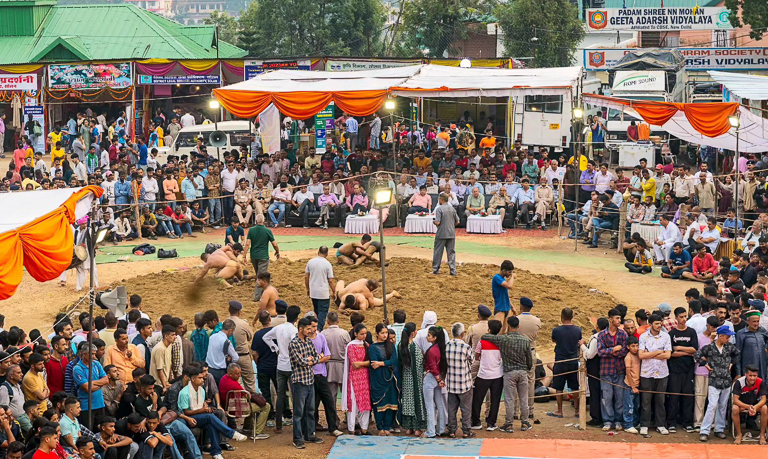
Circle Style Kabaddi is played on a circular field, while Standard Kabaddi is played on a rectangular mat. Circle Style matches feature eight active players on each side, compared to seven in Standard Kabaddi.
There is usually no weight limit in Circle Style Kabaddi, while Standard Kabaddi often follows weight guidelines. Circle Style games are commonly played on dirt surfaces, while Standard Kabaddi takes place on synthetic mats used in professional competitions.
These differences give each version of the sport its own identity and appeal.
The Future of Circle Style Kabaddi
The future of circle style kabaddi depends on finding the right balance between tradition and modernization. Fans want the sport to keep its cultural roots, competitive spirit, and unique style of play.
At the same time, stronger governance, better safety measures, and professional standards are becoming increasingly important. If these reforms are successfully implemented, Circle Style Kabaddi could emerge stronger and more respected on the global stage.
The year 2026 may prove to be one of the most important periods in the sport’s history, shaping its direction for years to come while ensuring that its rich heritage continues to thrive.