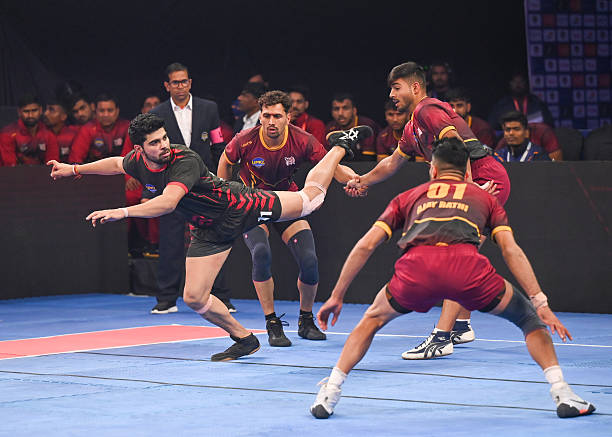
The Pro Kabaddi League changed the image of kabaddi in India. When the league started in 2014, many people saw it as a traditional sport played mostly on mud grounds. Today, PKL has become one of the most tactical and professional sports leagues in the country. The sport is now faster, smarter, and more competitive than ever before.
The journey of how Pro Kabaddi became tactical is linked to new rules, better fitness, data analysis, and advanced team planning. Modern kabaddi is no longer only about power and bravery. It is now a game of timing, positioning, and quick decision making.
The Shift From Traditional Kabaddi to Modern Tactical Play
One of the biggest reasons behind the modern kabaddi tactical evolution was the move from mud grounds to professional mats. The new playing surface made the sport quicker and safer. Players became more athletic and started using advanced movement techniques.
The introduction of the 30 second raid clock also changed the game completely. Raiders now had limited time to attack and return. This forced teams to create planned strategies instead of relying only on natural instincts.
Another major rule was the Do-or-Die raid. After two empty raids, the raider must score or get out. This created pressure situations and forced teams to think carefully about every move on the mat.
The Rise of Advanced Defensive Systems
Modern PKL defenses work like well drilled units. Defenders move together and try to reduce the raider’s space. This is one of the best examples of kabaddi tactical systems explained in action.
The chain system is now very common in PKL. Two or three defenders hold hands and move as one unit. This helps them trap raiders near the corners of the mat. Instead of depending on one strong player, the defense works together like a wall.
Teams also use corner and cover positions very smartly. Corner defenders often tempt the raider to attack while cover defenders suddenly rush in for the tackle. This coordinated movement makes defending highly tactical.
Special Tactical Moves Changed the Game
PKL players now train for specific tactical situations. Different tackles are used depending on the raider’s movement and body position.
The ankle hold is one of the most effective defensive moves. Corner defenders attack the raider’s ankle when they step forward for a bonus point. This quickly stops their movement.
The thigh hold is usually done by cover defenders. They attack the raider’s lower body to stop jumps and turns. Another popular move is the dash, where defenders push the raider out of the mat with force and timing.
These techniques show how much the sport has evolved over the years.
The Tactical Battle Behind Every Raid
Raiding in modern kabaddi is now about risk management and smart thinking. Teams constantly study the number of defenders on the mat before making decisions.
One important situation is the Super Tackle rule. When only three or fewer defenders remain, a successful tackle gives two points instead of one. Defenders sometimes intentionally invite the raider deeper into the court to create a trap.
Top raiders also think tactically. Sometimes they avoid risky attacks and return with empty raids to protect their team’s lead.
Teams now also focus on revival tactics. Raiders target specific defenders so their own star players can return to the mat faster.
Data Analytics Made PKL Smarter
Technology and analytics have made a huge impact on PKL. Coaches study videos and collect data on raiders and defenders. Teams know which side a raider prefers while escaping and when they usually attack.
The 30 second clock is also used strategically. Defenders often wait patiently and pressure raiders during the final seconds when mistakes become more likely.
This smart use of time, positioning, and data is the biggest reason behind the modern kabaddi tactical evolution. Pro Kabaddi has successfully transformed itself into one of India’s smartest and most exciting sports leagues.