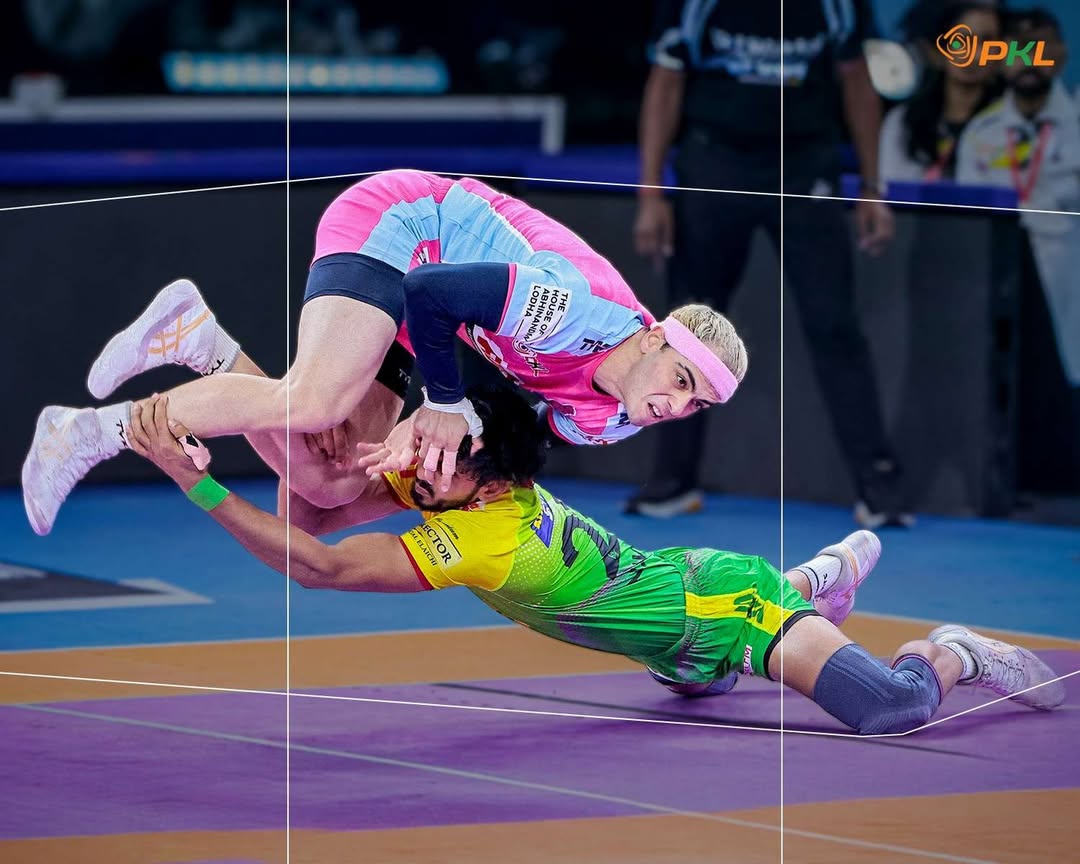
Kabaddi has changed dramatically over the last two decades. One of the biggest changes came with the introduction of Synthetic mats in kabaddi, which replaced the traditional mud courts that had been used for generations.
Many fans and former players believe that moving away from mud courts changed the soul of the sport. Others argue that synthetic mats helped kabaddi become faster, safer, and more professional. The debate continues, but one thing is certain: the game has evolved significantly.
How Synthetic Mats Changed Kabaddi
The introduction of Synthetic mats in kabaddi began on a global level in 2002. Before that, most matches were played on clay or soil surfaces.
Mud courts created a completely different playing experience. Players often slipped, slid, and used the loose surface to escape tackles. The game was slower and relied heavily on balance and adaptability.
However, how synthetic mats changed kabaddi can be seen in almost every aspect of the modern game.
A Faster and More Explosive Sport
One of the biggest effects of synthetic mats is the increase in speed.
The textured rubber surface provides strong grip, allowing players to move quickly without losing balance. Raiders can accelerate almost instantly, making attacks more dangerous and difficult to stop.
This improved traction has also led to the rise of spectacular skills and movements. Modern raiders can perform advanced actions such as the Dubki and Lion Jump with greater confidence because the surface provides stable footing.
As a result, today’s kabaddi is much faster and more exciting for spectators.
Has the Grit of the Game Disappeared?
Some traditional fans argue that the move away from mud courts removed the rugged identity of kabaddi.
In the past, players often returned home with cuts, bruises, and scratches from rough playing surfaces. The visible signs of battle became part of the sport’s image.
However, the reality is that the physical challenge has not disappeared. It has simply changed.
Modern players may suffer fewer surface injuries, but they face greater stress on their joints and muscles because of the strong grip provided by synthetic mats.
The game still demands toughness, courage, and endurance. The grit remains, but it appears in a different form.
Changes in Equipment and Training
The arrival of synthetic mats also changed how players prepare for matches.
Mud court kabaddi was traditionally played barefoot. On synthetic surfaces, players now wear specially designed shoes that provide grip and support.
Training methods have also evolved. Players focus more on speed, agility, and explosive movement to take advantage of the modern playing surface.
This professional approach has helped raise the overall standard of competition.
A More Global Sport
Another important result of how synthetic mats changed kabaddi is the growth of the sport internationally.
Standardized playing surfaces create equal conditions for teams from different countries. Players no longer need years of experience on specific local surfaces to compete at the highest level.
This has helped reduce the gap between traditional kabaddi nations and emerging teams around the world.
Conclusion
The introduction of Synthetic mats in kabaddi has undoubtedly transformed the sport. While the mud court era carried a unique charm and identity, synthetic mats have made the game faster, more skillful, and more professional.
Rather than removing the grit from kabaddi, the change has simply redirected it. The challenges today are different, but the courage, determination, and toughness required to succeed remain as strong as ever.