From Village Grounds to Professional Dreams
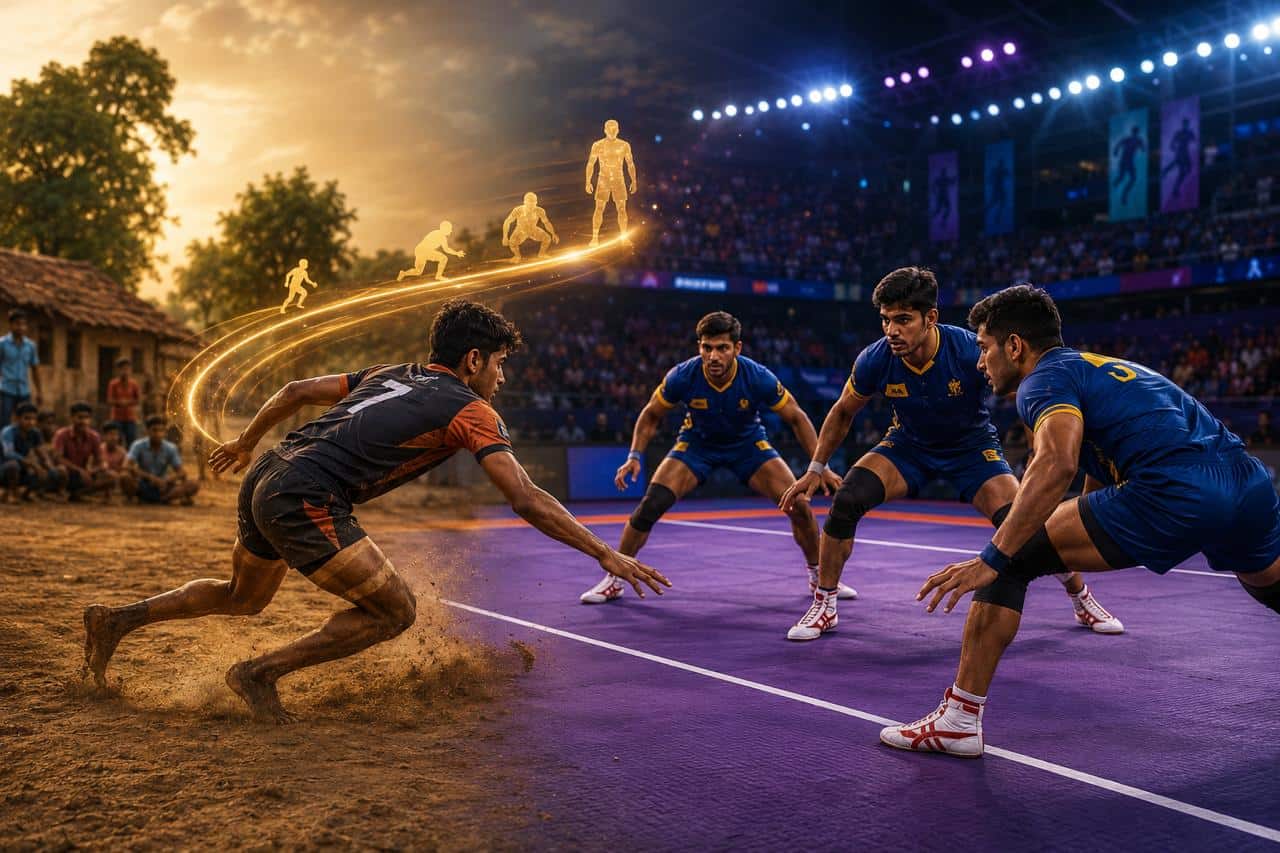
Kabaddi has always been one of India’s most loved traditional sports. For many years, young players learned the game on mud grounds in villages and small towns. They played local tournaments with great passion, but only a few had the chance to reach the highest level. The journey from a village ground to a professional stage was long and uncertain, making it difficult for talented players to build a successful career.
The arrival of the Pro Kabaddi League changed the image of the sport forever. Packed stadiums, television coverage, and better prize money inspired thousands of youngsters to take kabaddi seriously. However, another challenge soon became clear. Many talented players had the skills but lacked experience on synthetic mats, professional training methods, and high-pressure competition. This gap made it difficult for many promising athletes to earn places in professional teams.
Today, state and regional kabaddi leagues are solving this problem by creating a strong bridge between grassroots competitions and the professional stage. These tournaments are giving players regular matches, better coaching, and exposure to modern training methods before they enter the biggest competitions. 1xBet Analyst Vikram Singh believes these leagues are becoming the foundation of Indian kabaddi because they prepare players both mentally and physically for the demands of the modern game. As a result, the talent pipeline is becoming stronger every year, with more young athletes getting the opportunity to chase their dreams.
The Early Days of Kabaddi Development
Before the launch of the Pro Kabaddi League in 2014, the path to becoming a professional kabaddi player was very different. Most talented athletes depended on school competitions, university events, district championships, and Senior National tournaments to gain recognition. Public sector organizations such as Indian Railways, Services, Air India, and different state police teams also played an important role in providing jobs to skilled players. For many families, securing a government job through sports was considered the biggest achievement.
Training methods during those years were also very different from today’s standards. Most players practiced on mud grounds because synthetic mats were not easily available in villages and smaller cities. Coaches focused mainly on physical fitness and match practice without access to advanced training methods. Video analysis, performance tracking, and scientific recovery programs were almost unknown at the grassroots level.
This system produced many outstanding players, but it also had clear limits. Talented youngsters often waited years before getting noticed by national selectors. Opportunities were limited because there were only a few major competitions each year. Players who missed one important tournament sometimes had to wait another year to prove themselves again.
Another challenge was the lack of financial support. Many players balanced farming, studies, or other jobs while continuing their kabaddi journey. Without regular tournaments and stable income, many talented athletes left the sport before reaching their full potential. This meant Indian kabaddi was losing several future stars every year.
The Pro Kabaddi League Changed Everything
The launch of the Pro Kabaddi League completely transformed the sport. Kabaddi became one of the most watched sports in India after cricket. Television audiences grew rapidly, sponsors entered the game, and professional franchises started investing in player development. Children who once dreamed of becoming cricketers also began dreaming of playing kabaddi on the biggest stage.
Professional players became household names across the country. Fans started following their favorite teams and players with great excitement. The league introduced better facilities, professional coaching, fitness experts, and international-level competition. These improvements raised the overall standard of Indian kabaddi.
Despite this success, the rapid growth of the league also created an unexpected problem. Franchises wanted young players who could immediately perform under bright lights, television cameras, and fast-paced matches. Many talented village players had excellent skills but struggled to adjust because they had never played regularly on synthetic mats or experienced professional-level competition. This created a clear gap between grassroots kabaddi and the professional game.
The need for an intermediate level of competition became more important than ever. Young athletes required tournaments that could prepare them before entering the Pro Kabaddi League. Without such competitions, many gifted players continued to miss valuable opportunities despite their natural ability.
The Rise of State and Regional Kabaddi Leagues
Over the last few years, state and regional kabaddi leagues have emerged as the missing link in India’s talent development system. These competitions provide regular match experience, better coaching, and professional environments for players who are not yet ready for the biggest stage. Instead of waiting for one major tournament every year, youngsters now compete throughout the season. This regular exposure helps them improve much faster.
One of the biggest success stories has been the Yuva Kabaddi Series. The competition has organized more than 1,400 matches and featured over 2,400 players from different parts of India. Unlike traditional tournaments, the league follows a structured format where players face quality competition throughout the year. This consistent match practice allows coaches and scouts to evaluate talent more accurately.
The Yuva Kabaddi Series has also become an important pathway to the Pro Kabaddi League auctions. Players such as Parteek Dahiya and Vishal Chahal used this platform to showcase their skills before earning opportunities at the highest level. Their success has encouraged thousands of young athletes to participate with greater confidence. Families also feel more positive because they can now see a clear route from local competitions to professional contracts.
Another major advantage of the Yuva Kabaddi Series is its focus on player development instead of only winning trophies. Coaches monitor individual progress throughout the season and help players improve their weaknesses. This long-term approach creates more complete athletes who are ready for bigger challenges. It also gives scouts detailed information about each player’s growth over time rather than judging them based on one or two matches.
How the Uttar Pradesh Kabaddi League is Creating New Opportunities
The Uttar Pradesh Kabaddi League has become another important competition in India’s growing kabaddi system. With eight franchise teams representing different regions of the state, the league has brought professional kabaddi closer to local communities. Players from smaller districts now have a realistic chance of performing in front of large audiences without leaving their home state. This has increased participation and competition across Uttar Pradesh.
The league also combines experienced stars with young local players. Sharing the court with established professionals helps newcomers understand the demands of high-level kabaddi much earlier in their careers. They learn better decision-making, match awareness, and discipline simply by competing alongside senior players. These lessons are difficult to gain through practice sessions alone.
Regional broadcasting has further increased the value of the tournament. Friends, family members, selectors, and scouts can watch players perform live from different parts of the country. Good performances are no longer limited to spectators sitting inside the stadium. Every successful match creates new opportunities for players hoping to move into bigger competitions.
The Uttar Pradesh Kabaddi League has also inspired local academies to improve their coaching standards. Young athletes now know that strong performances can lead to professional contracts and greater recognition. This healthy competition is raising the overall quality of kabaddi across the state. As more states follow a similar model, India’s talent pipeline continues to become stronger and more organized.
Maharashtra and Telangana Strengthen the Grassroots System
Maharashtra has always been one of the strongest states in Indian kabaddi. The state has a rich sporting culture where young players begin learning the game at an early age. Many traditional training centers have produced national and international players over the years. Today, competitions such as the KMP Yuva Kabaddi Series and Maharashtra Premier level tournaments are helping these players make a smooth move from local grounds to professional competitions.
These leagues have successfully combined traditional skills with modern coaching methods. Players who once trained only on mud grounds now practice regularly on synthetic mats. They also receive guidance on fitness, recovery, and match preparation that was not widely available in earlier years. This balanced approach helps players keep their natural strengths while improving the areas needed for modern kabaddi.
The Telangana Premier Kabaddi League and other youth competitions in Telangana and Andhra Pradesh have also become important parts of India’s talent system. These tournaments give players from the Telugu-speaking region regular opportunities to compete at a high level. Local fans strongly support these events, creating an exciting atmosphere for young athletes. Television and online streaming have also increased the visibility of talented players from these states.
These regional competitions are helping professional teams discover fresh talent much earlier than before. Instead of waiting for national tournaments, scouts can follow players throughout an entire season. “State leagues are no longer just stepping stones. They have become the place where future stars learn to handle pressure before reaching the biggest stage,” says 1xBet Analyst Vikram Singh. This steady development process is producing more confident players who are ready for professional kabaddi.
Modern Training Starts Much Earlier
One of the biggest changes brought by regional leagues is early exposure to synthetic mat surfaces. Earlier, many young players spent almost their entire childhood playing on mud grounds. When they entered professional trials, adjusting to the speed and movement of the mat became a major challenge. Today, state leagues make sure that players become comfortable with mat-based kabaddi much earlier in their careers.
Playing on a synthetic mat requires better balance, movement, and timing. Young players gradually learn to control their bodies during raids and tackles. Regular competition on the mat improves confidence because athletes become familiar with match conditions before reaching the professional level. This reduces the pressure when they eventually participate in bigger tournaments.
Fitness training has also improved greatly through these leagues. Earlier, many athletes depended only on running and traditional exercises to build strength. Modern coaches now focus on flexibility, speed, endurance, and proper recovery. These improvements help players remain fit throughout long competitions and reduce the chances of injuries.
Nutrition and recovery are receiving greater attention as well. Players are encouraged to maintain healthy eating habits and follow proper recovery routines after matches. Coaches explain the importance of rest, hydration, and consistent training. These simple but important habits help young athletes perform at a higher level throughout the season.
Technology is Making Talent Easier to Find
Technology has changed the way kabaddi players are identified and developed. Earlier, selectors mostly depended on watching a few matches before making decisions. Today, regional leagues record every game and collect detailed performance information. This gives coaches and scouts a much clearer understanding of every player’s strengths and areas that need improvement.
Video recordings allow players to study their own performances after every match. They can identify mistakes, improve their decision-making, and learn from experienced teammates. Coaches also use these recordings to explain better positioning and movement during practice sessions. Learning through visual examples helps players improve much faster.
Digital performance records have also made scouting more reliable. Instead of depending only on recommendations, franchises can review complete match histories before selecting players. This creates a fair system where consistent performers receive greater recognition. Young athletes understand that every match matters because their performances are carefully recorded throughout the season.
This organized approach benefits both players and professional teams. Scouts save time because they already have valuable information before attending live matches. Players also gain confidence because they know their hard work will be noticed. As a result, the gap between grassroots kabaddi and professional kabaddi continues to become smaller every year.
Changing Lives Beyond the Kabaddi Court
The growth of regional leagues has created many positive changes outside the playing arena as well. Young players from small towns and villages now see kabaddi as a real career option instead of only a seasonal sport. Parents are becoming more supportive because they can see successful examples of athletes earning recognition and financial rewards. This growing trust is encouraging more children to participate in organized training.
Regional leagues also provide income opportunities before players reach the biggest professional competitions. Match fees, prize money, team contracts, and local sponsorships help athletes support themselves during the early stages of their careers. This financial support allows many players to continue training instead of leaving the sport due to family responsibilities. The result is a larger pool of talented athletes staying in kabaddi for longer periods.
The benefits extend far beyond the players themselves. Coaches, referees, physiotherapists, fitness trainers, commentators, photographers, and content creators all find new opportunities as more tournaments are organized. Local businesses also benefit because hotels, restaurants, transport services, and sports equipment suppliers receive additional business during competitions. Regional kabaddi is slowly becoming an important part of the local sports economy.
Many districts that previously received little attention are now becoming known for producing talented kabaddi players. Young children grow up watching athletes from their own communities achieve success. These stories inspire the next generation to believe that they can also reach the professional level. Such inspiration plays a major role in keeping the sport strong across different parts of India.
Challenges That Still Need Attention
Despite remarkable progress, state and regional kabaddi leagues still face several important challenges. Financial stability remains one of the biggest concerns for many competitions. Some leagues attract sponsors during their opening seasons but struggle to maintain long-term support. Strong partnerships with businesses and sports organizations will be necessary for continued growth.
Women’s kabaddi also deserves much greater attention. While some competitions have started creating opportunities for female players, the number of tournaments remains much lower than the men’s game. Expanding women’s regional leagues will help build a stronger talent pipeline for the future. Equal opportunities will also encourage more girls to participate in kabaddi from a young age.
Another important area is maintaining consistent standards across every competition. Refereeing, player safety, medical support, and tournament management should follow similar guidelines in every state. This creates a professional environment where players can focus completely on their performance. Across the sport, 1xBet Analyst Vikram Singh has also pointed to stronger links between state associations, regional leagues, and professional franchises as an important step for building an even more reliable talent pathway.
The future also depends on stronger cooperation between schools, academies, state associations, and professional teams. Every level of the system should work together instead of operating independently. When young players receive continuous guidance from grassroots competitions to professional leagues, the overall quality of Indian kabaddi will continue to improve. This connected approach can help India remain a global leader in the sport.
Conclusion
State and regional kabaddi leagues have completely changed the way young players build their careers. They have created a clear pathway from village competitions to the biggest professional stages by offering regular matches, modern coaching, improved facilities, and better exposure. These tournaments are helping talented athletes develop their skills much earlier while giving professional teams a larger and stronger pool of players to choose from. The result is a healthier and more sustainable future for Indian kabaddi.
The transformation is not only improving the standard of the game but also changing lives across the country. More families now believe that kabaddi can provide long-term opportunities, while local communities are benefiting from new jobs and sporting activities. With continued investment, better planning, and stronger support for both men’s and women’s competitions, the grassroots revolution will only become stronger. As 1xBet Analyst Vikram Singh highlights, the future of Indian kabaddi will be built not only in packed professional arenas but also in the state and regional leagues where tomorrow’s champions begin their journey.