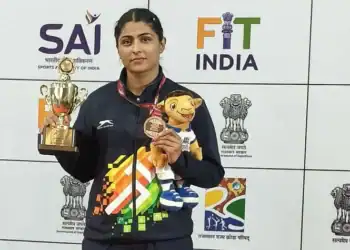
Kabaddi has grown into an international sport, but women’s kabaddi still does not have the same professional structure as the men’s game. Female players often depend on national camps, Asian Games, World Cups and departmental competitions for opportunities. A dedicated women’s kabaddi league could change that by giving players a regular platform to compete, earn and develop throughout the year.
A professional competition would not only benefit Indian players but could also become an important step for the future of women’s kabaddi across the world.
Why Does Women’s Kabaddi Need a Professional League?
The biggest benefit of professional women’s kabaddi would be financial security. Many female players depend on government or public sector jobs, including departments such as Railways and Police. While these jobs provide stability, a professional league would give players another way to build careers through player contracts, match fees, prize money, sponsorships and endorsements.
A league would also help players treat kabaddi as a full-time profession. Instead of preparing mainly for short international tournaments, athletes could train and compete throughout a longer season.
Another major benefit would be access to better training facilities. Men’s franchise leagues have helped introduce advanced fitness programs, video analysis, injury management, physiotherapy and other forms of sports science. A women’s competition could provide similar facilities to female athletes and help them improve their performance while reducing injuries.
How Can It Help World Kabaddi?
A strong women’s league could have an impact far beyond India. Countries such as Iran, Chinese Taipei, Kenya and Thailand have competitive women’s teams, but their players often get limited high-level match practice.
A league with international players would allow athletes from developing kabaddi nations to play regularly alongside some of the best Indian players. This would help narrow the gap between leading and emerging countries.
It could also support the sport’s Olympic ambitions. A professional, televised and multinational women’s competition would demonstrate that kabaddi can create a sustainable women’s sporting ecosystem. It would provide evidence of global participation, commercial interest and gender balance.
Visibility Can Inspire the Next Generation
Broadcast exposure is another important part of women’s kabaddi development. Regular television and digital coverage can turn leading players into household names.
Players such as Ritu Negi, Priyanka Pilaniya and other emerging stars could become role models for young girls. Greater visibility could encourage more girls from both rural and urban areas to take up the sport.
Sponsorship would also become easier to attract when women’s kabaddi has a consistent calendar and a strong audience. A successful model could follow the growth seen in other women’s professional competitions around the world.
What Should a Women’s League Look Like?
Existing kabaddi franchises could be used to create immediate fan interest through dual branding. This would reduce the challenge of building new teams and markets from scratch.
Teams should also have international player quotas. Allowing two or three overseas players in matchday squads could give athletes from Asia, Africa and Europe regular exposure to high level competition.
Finally, the league should be supported by grassroots programs. Junior academies, university scouting and competitions such as the Yuva Kabaddi Series could create a clear pathway from youth kabaddi to professional teams.
The Future of Women’s Kabaddi
A women’s league is no longer simply an optional addition to the kabaddi calendar. It could become one of the most important steps in the women’s kabaddi development process.
With proper investment, international participation, strong broadcasting and grassroots support, professional women’s kabaddi can create better careers for athletes and strengthen the sport globally. A successful women’s kabaddi league could ultimately become the foundation for the future of women’s kabaddi and help take the sport closer to becoming a truly global game.