Kabaddi is one of the fastest growing sports in the world. Most fans understand the basic idea of the game. A raider enters the opponent’s half, tries to score points by touching defenders, and returns safely to their side.
However, there is much more to the sport than these simple rules. Many important regulations can completely change the outcome of a match. Understanding these laws helps fans enjoy the game on a deeper level.
If you have ever asked, “What are the important rules of Kabaddi?”, this guide will help explain some of the lesser-known regulations that often decide matches.
The Rules of Kabaddi Explained
A standard kabaddi match is played between two teams of seven players. The game lasts 40 minutes and is divided into two halves.
Teams take turns sending a raider into the opponent’s half. The raider has 30 seconds to score points and return safely. Every successful touch earns a point, while a successful tackle earns a point for the defending side.
Whenever a team scores, it can also bring back one of its eliminated players. This revival system is one of the unique features of kabaddi.
The Do-or-Die Raid
One of the most exciting and important rules in modern kabaddi is the Do-or-Die raid.
If a team completes two raids in a row without scoring, the third raid becomes a Do-or-Die raid. In this situation, the raider must score at least one point.
If the raider fails to score, they are automatically declared out, and the opposition receives a point. This rule prevents teams from wasting time and keeps the action moving.
The Bonus Line Rule
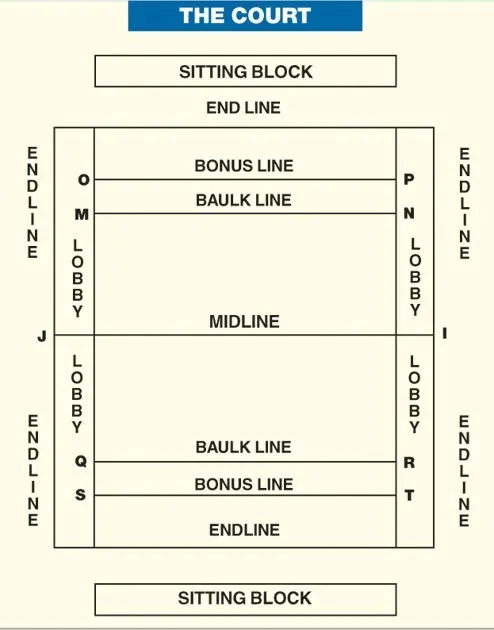
Among the most interesting examples of unusual kabaddi rules explained in this guide is the bonus line.
A raider can earn an extra point by crossing the bonus line. However, this is only possible when the defending team has six or seven players on the mat.
If the defending side has five or fewer players, the bonus line becomes inactive. This small detail often changes the strategy of both teams during important moments.
The Lobby Trap
Many new fans do not realize that the side areas of the court, known as lobbies, are not always active.
At the start of a raid, entering the lobby results in an automatic dismissal. The lobby only becomes active after the raider makes contact with a defender.
Smart defenders sometimes use this rule to trick raiders into stepping out of bounds and getting eliminated.
The Super Tackle Advantage
The Super Tackle is one of the most valuable defensive weapons in kabaddi.
When a team has three or fewer defenders left on the mat, a successful tackle becomes a Super Tackle. Instead of receiving one point, the defending team earns two points.
This rule gives smaller defensive units a chance to fight back and stay in the game.
The All Out Rule
Another example of important kabaddi regulations that affect matches is the All Out rule.
When all seven players of one team are eliminated, the opposing side earns two additional bonus points. After that, the entire team returns to the mat, and play restarts with all seven players.
An All Out can quickly create a large points gap and often changes the momentum of a match.
Why These Rules Matter
Kabaddi may look simple at first, but these lesser-known rules add strategy and excitement to every contest. From Do-or-Die raids to Super Tackles and All Outs, these laws can turn a losing team into a winning one within minutes.
Understanding these rules gives fans a better appreciation of the skill, planning, and quick thinking required to succeed in modern kabaddi.