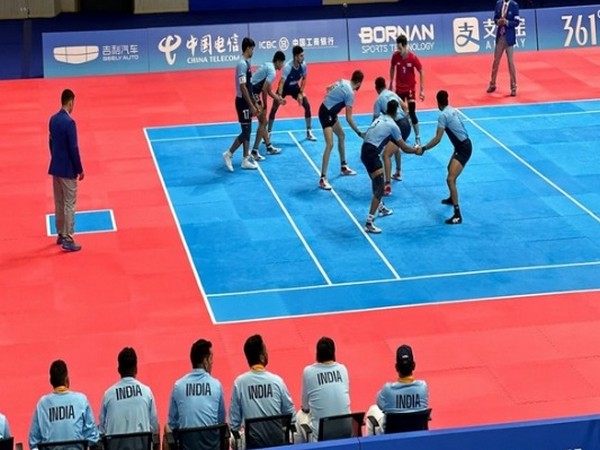
The modern Pro Kabaddi League is faster, smarter, and far more intense than traditional kabaddi. One major reason behind this transformation is the introduction of the 30 second raid clock.
Before the Pro Kabaddi League started in 2014, kabaddi raids depended mainly on lung power. Raiders entered the opponent’s half while continuously chanting “kabaddi” in a single breath, known as the cant. A raid lasted as long as the player could control breathing and movement together.
Everything changed when the digital countdown clock arrived.
Today, the ticking timer has become one of the biggest psychological challenges in the sport. Modern raid clock psychology in kabaddi is now deeply connected with reaction speed, emotional control, and split second decision making.
How the Raid Clock Changes the Brain
The moment a raider crosses the midline, the countdown begins. That ticking clock immediately creates pressure inside the brain.
Sports psychology experts explain that this activates the amygdala, the part of the brain responsible for emotional reactions. Heart rate increases, adrenaline rises, and the body prepares for fight or flight mode.
Many inexperienced players panic under this pressure. They rush movements, mistime touches, or lose balance while escaping tackles.
Elite raiders train themselves to stay calm. Instead of reacting emotionally, they focus on rhythm, breathing, and body control. This helps them execute skills like toe touches, hand touches, and quick escapes with precision.
That is why sports psychology in pro kabaddi league has become extremely important in recent years.
The Danger of Cognitive Tunneling
One of the biggest mental traps during a raid is cognitive tunneling.
This happens when a player becomes too focused on the clock and ignores what is happening around them. A raider might stare at the countdown board and completely miss a defender moving closer for a chain tackle.
Top level raiders are trained to avoid this mistake. Instead of constantly checking the timer, they use natural pacing and focus on reading defender movements.
The best raiders keep scanning the defensive line while staying aware of the clock internally.
The Three Mental Phases of a Raid
Every modern raid is divided into three psychological stages.
The first 10 seconds are the assessment phase. The raider studies defenders, checks corner positions, and looks for weak spots without taking major risks.
The next 10 seconds become the bait phase. Here, the raider uses quick body feints and sudden movement changes to force defenders into mistakes.
The final 10 seconds are the execution phase. If no point has been scored yet, the raider must either attack decisively or retreat safely before time expires.
This final stage often creates the highest stress levels.
The Pressure of Do-or-Die Raids
Nothing tests a player’s mental strength more than a Do-or-Die raid.
If a team produces two empty raids in a row, the third raider must score or automatically get declared out. Defenders know the raider has no choice except attacking.
That pressure can completely change decision making.
Success in these situations depends on both skill and emotional control.
Elite raiders often use the clock as a weapon. Defenders expect a desperate attack in the final seconds, so smart raiders bait them into poor tackles before escaping for points.
The Mental Game Behind Modern Kabaddi
The 30 second raid clock did more than speed up kabaddi. It completely changed how players think under pressure.
Modern kabaddi is no longer only about strength and fitness. It is now a battle of focus, emotional control, quick thinking, and psychological discipline.
In today’s Pro Kabaddi League, the best raiders are not just athletes. They are masters of split second decision making under extreme pressure.