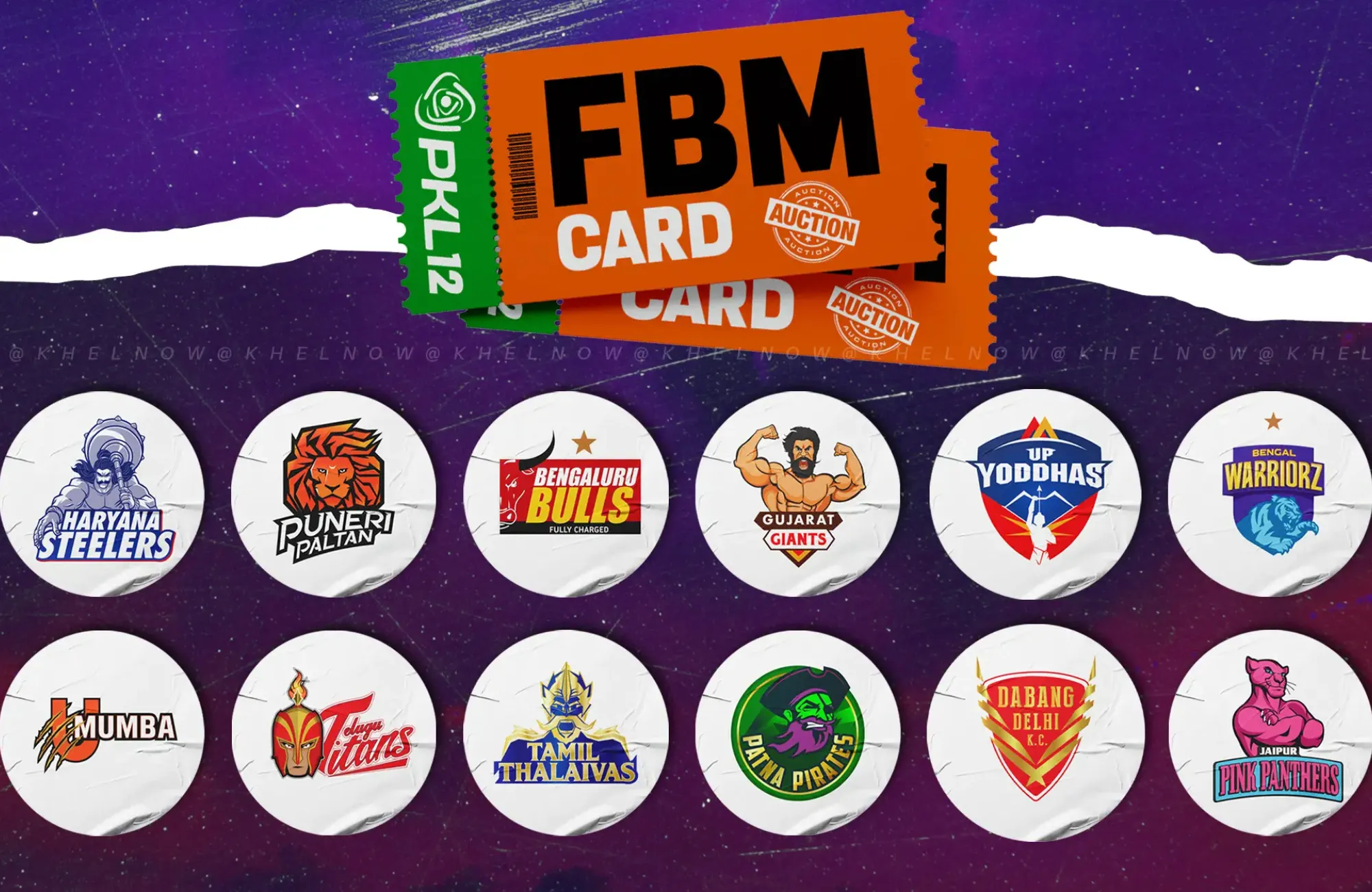
The Final Bid Match rule has always been one of the biggest tactical tools in the Pro Kabaddi League auction. Every season, fans wait for dramatic moments when franchises use the FBM option to bring star players back into their squads. But this year, the rule has changed in a major way.
If fans are asking “what is the FBM in PKL auction” or “what is FBM rule in PKL auction,” the answer is now more interesting than before. The new multi-season option has completely changed how teams will think during the auction.
How the FBM Rule Works in PKL
The FBM rule gives a player’s former franchise one final chance to keep him after the auction bidding ends.
For example, if Franchise A places the highest bid for a player, the auctioneer then asks the player’s old team whether they want to use their FBM card. If the old team says yes, they match the same amount and immediately get the player back. If they refuse, the player joins the new franchise.
Earlier, the FBM only allowed teams to retain a player for one season. Now, teams can choose between a one season or two season contract when using the card.
This small rule change could completely reshape the future of PKL auctions.
The New Two Season Option Changes Everything
The new system gives franchises two choices during the auction. They can either use a one season FBM or a two season FBM.
A one season deal gives teams more flexibility for the next auction. But the two season option allows franchises to lock down their core players for a longer period and build stability around them.
This creates a completely different style of planning. Coaches and owners now have to think beyond just one season. They must decide whether a player is important enough to build around for multiple years.
The pressure of making that decision in just a few seconds during the auction makes the process even more intense.
Why Rival Teams Can No Longer Inflate Prices Easily
In earlier PKL auctions, rival teams often used a clever strategy. They would intentionally increase the price of a player, knowing the former franchise would probably use their FBM card.
The goal was simple. Force the old team to spend a huge amount of money on one player and weaken their remaining auction purse.
Now, that tactic is far more risky.
If the former team believes the player is a long-term asset, they can simply activate the two season FBM card. Instead of seeing the expensive bid as a short term loss, they can treat it as a long term investment for squad stability.
This means franchises will be more careful while trying to inflate player prices.
The Risks Behind Long Term Contracts
Although the two season FBM sounds attractive, it also carries major risks under the ₹5 crore salary cap.
If a player loses form or suffers a serious injury, the franchise could end up carrying a heavy financial burden for two full seasons. A large part of the purse would remain locked, reducing flexibility in future auctions.
That is why teams now need smarter planning and better long term vision.
Teams Already Using the New Rule Aggressively
Several franchises have already shown confidence in the new system. Dabang Delhi K.C. used a two season FBM to bring back Ashu Malik and keep their raiding attack stable.
Patna Pirates also retained Ankit Jaglan after a massive ₹1.57 crore bid. Defensive players like Deepak Singh, Hardeep, and Ghanshyam Roka Magar were also secured through long term FBM decisions.
The new FBM system has clearly turned the PKL auction into a deeper tactical battle. It is no longer just about buying players. It is now about planning the future of an entire franchise.