Beyond the athletic feats of elite raiders and defenders, the twelfth season of the Pro Kabaddi League was defined by the strategic masterminds guiding their teams from the bench. These coaches proved that victory is often secured through meticulous preparation, player psychological management, and split-second tactical shifts. Their ability to foster synergy within their squads and maintain composure under the bright lights of the arena was a cornerstone of the season’s most compelling narratives.
The following three coaches were the most influential figures of PKL Season 12:
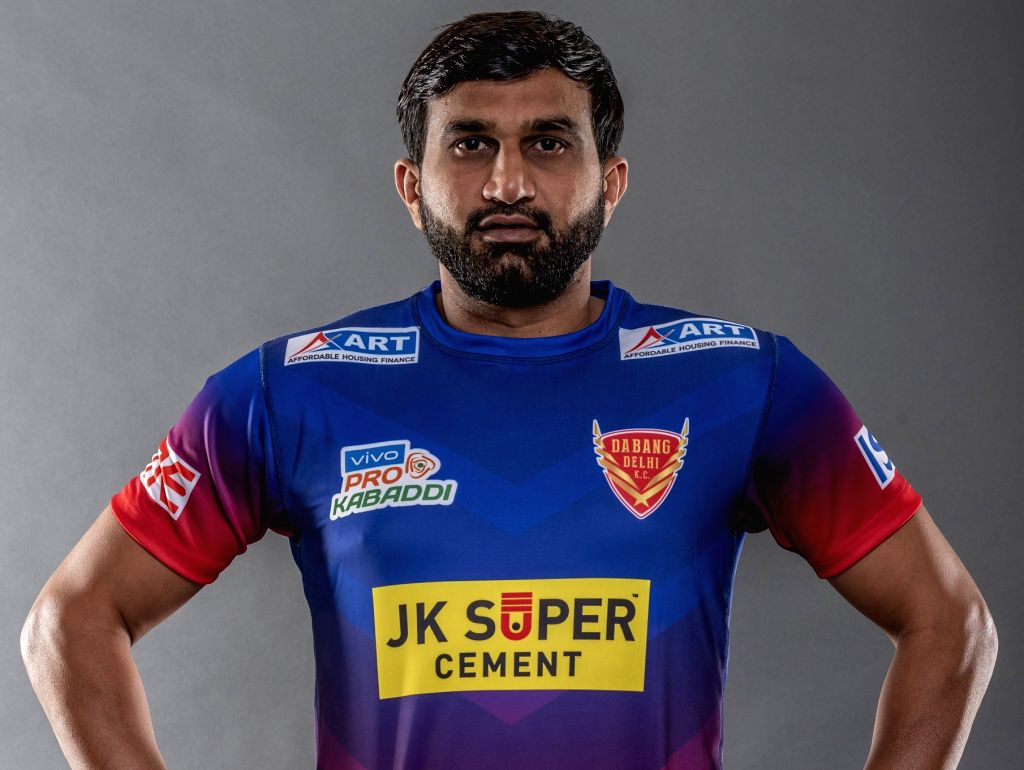
- Joginder Narwal (Dabang Delhi K.C.): A legend who transitioned from a title-winning captain to a visionary head coach, Narwal brought a sense of structured calm to the Delhi franchise. He masterfully integrated veteran players with fresh prospects, ensuring the team remained disciplined during high-stakes moments. Under his watchful eye, the defensive unit became exceptionally resilient, reflecting his own storied career as a premier defender.
- Ajay Thakur (Puneri Paltan): Known for his “Ice Man” persona, Thakur instilled a fearless and aggressive philosophy in his young Puneri squad. He prioritized player autonomy, encouraging his athletes to play with a bold, attacking style that caught many opponents off guard. His deep emotional connection with the players helped forge a unified camp that thrived specifically during high-pressure home matches.
- Krishan Kumar Hooda (Telugu Titans): Hooda was the architect of a major cultural shift for the Titans, moving them away from a reliance on individual stars toward a team-first mentality. His tenure saw a marked improvement in defensive coordination and overall tactical consistency, which had been lacking in previous years. By empowering youth talent, he provided the franchise with the depth necessary to challenge the league’s heavyweights.
The success of these franchises underscores the evolving role of the modern kabaddi coach as both a tactician and a mentor. Whether it was Narwal’s defensive masterclasses, Thakur’s motivational energy, or Hooda’s rebuilding project, their influence was palpable in every match. While the athletes receive the applause, these three men provided the blueprints that allowed their teams to excel throughout the grueling Season 12 campaign.
As the league continues to grow in complexity, the importance of such sideline leadership cannot be overstated. These coaches did more than just call plays; they built environments where talent could flourish and where pressure was viewed as an opportunity rather than a burden. Their contributions in Season 12 have set a high benchmark for coaching excellence in the years to come.