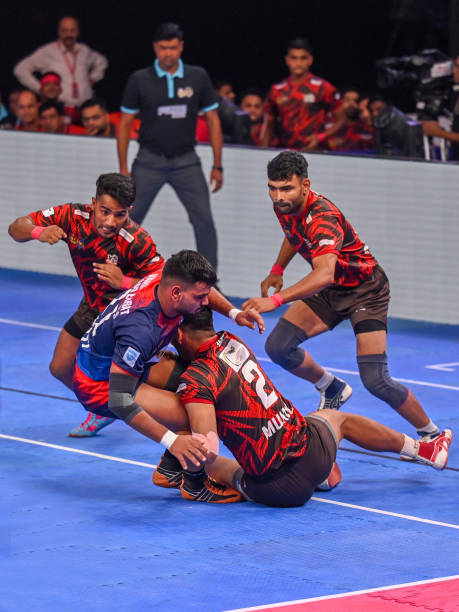
The Modern Transformation of Kabaddi
For many years, Kabaddi was known as a physically demanding sport where players often faced short careers because of injuries and constant wear on their bodies. Many top athletes struggled to continue playing beyond their late twenties or early thirties.
Today, the situation is very different. The rise of the Pro Kabaddi League has changed the sport completely. Teams now use advanced training methods, recovery systems, and data analysis to keep players fit for longer periods.
The growing influence of sports science and technology is one of the biggest reasons why experienced players can now compete at the highest level for many more years.
How Sports Science Is Changing Kabaddi
A major part of how sports science is changing kabaddi involves injury prevention and better physical preparation.
Kabaddi players regularly face hard tackles, quick movements, and intense physical battles. These actions can place a lot of stress on the body, especially the knees, ankles, shoulders, and back.
Instead of relying on traditional fitness routines, teams now use specialised training programs that focus on balance, movement, speed, and body control. These exercises help players move more efficiently and reduce the risk of serious injuries.
Sports scientists also monitor players closely to identify early signs of fatigue. This allows teams to adjust training schedules before small problems become major injuries.
As a result, athletes are spending more time on the mat and less time recovering from physical setbacks.
Technology in Pro Kabaddi League Is Changing Recovery
The role of technology in Pro Kabaddi League continues to grow every season.
Recovery has become one of the most important parts of modern sports. PKL teams now use advanced recovery tools to help players bounce back faster after matches and training sessions.
Ice compression systems, recovery therapy devices, and oxygen based treatments are commonly used to reduce soreness and speed up healing.
These methods help players stay fresh during long tournaments where matches are often played within short gaps.
Faster recovery means players can maintain high performance levels throughout the season while reducing the chances of long term injuries.
The Growing Importance of Sports Analytics in Kabaddi
Another major development is the use of sports analytics in kabaddi.
Teams now collect large amounts of data from matches and training sessions. Analysts study raid patterns, tackle success rates, player movements, and decision making under pressure.
This information helps coaches identify strengths and weaknesses more accurately.
For raiders, analytics can reveal which attacking moves are most successful. For defenders, it helps improve positioning and teamwork during crucial moments.
By understanding data more clearly, players can make smarter decisions and reduce unnecessary physical risks during matches.
Wearable Devices and Player Monitoring
Modern Kabaddi players also benefit from wearable technology.
Special devices track movement, speed, workload, and recovery levels during training. If a player’s performance begins to drop, coaches and medical staff can immediately adjust training plans.
Sleep tracking has also become important. Many players now use smart devices to monitor sleep quality and recovery. Better sleep helps the body repair itself and prepares athletes for future matches.
A Longer Future for Kabaddi Stars
The combination of sports science, technology, and data analysis is helping players enjoy longer careers than ever before.
Through smarter training, improved recovery, and better performance tracking, modern athletes can stay competitive well into their thirties.
The continued growth of technology in Pro Kabaddi League, sports analytics in kabaddi, and how sports science is changing kabaddi is creating a healthier future for the sport and helping its biggest stars remain at their best for many years.