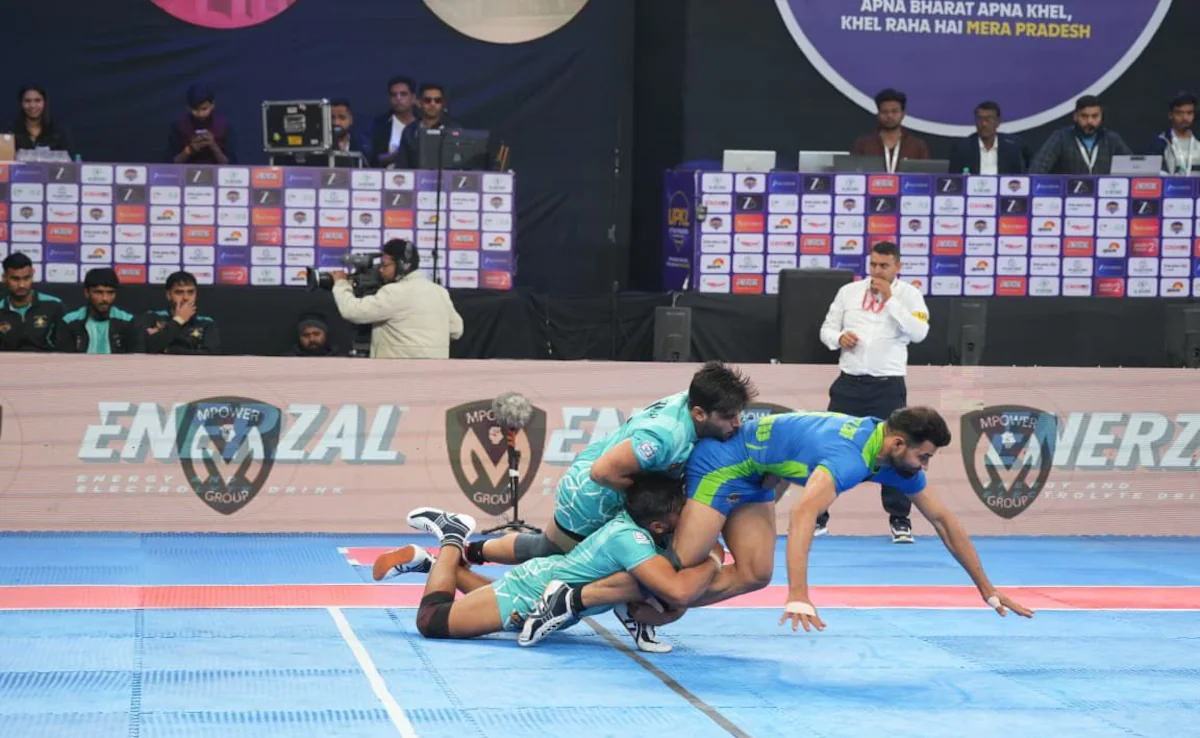
State-level kabaddi leagues are playing a crucial role in nurturing young talent by offering consistent match exposure, structured environments, and access to experienced guidance. These platforms are helping players develop the skills and mindset required to compete at higher levels.
The emergence of kabaddi’s next generation is not confined to national tournaments or headline events. Instead, it is being built steadily through structured competition, repetition, and regular exposure — much of which now takes place at the state level. While national leagues provide visibility and set performance benchmarks, the foundation for success is laid within the system below. Structured state leagues have become essential in preparing young athletes to transition into professional players.
From Raw Talent to Complete Players
India has always produced abundant kabaddi talent. However, in the past, many young players lacked consistent opportunities to compete regularly against quality opposition in a structured setting.
State-level leagues are bridging this gap. Competitions across regions, including platforms like the Uttar Pradesh Kabaddi League and Kabaddi Champions League state events, now offer extended seasons instead of isolated tournaments. This continuity allows players to better understand their strengths and weaknesses, adjust to varying defensive strategies, and improve decision-making under pressure.
These abilities are not developed overnight. Through repeated match situations, young raiders and defenders gradually evolve into more complete players, learning when to attack, when to hold back, and how to respond to changing match scenarios.
Learning Through Experience
A major advantage of these leagues is the opportunity for young players to compete alongside seasoned professionals. Training sessions, team discussions, and in-game situations become valuable learning spaces.
Emerging athletes observe how experienced players prepare for matches, manage their fitness, recover from setbacks, and deal with pressure. They begin to understand that success in kabaddi depends not only on physical ability but also on discipline, mental strength, and consistency. This form of learning often accelerates development more effectively than standalone coaching.
For many, state leagues also provide their first exposure to a professional setup, where structured routines around training, diet, recovery, video analysis, and tactical planning become part of everyday life. This early immersion is key to preparing for elite-level competition.
A Platform to Experiment and Grow
State competitions also offer players the freedom to experiment and take responsibility in real match scenarios. Young athletes are encouraged to test new techniques and push their limits.
Mistakes at this stage become opportunities for growth rather than long-term setbacks. Whether it is a raider failing in key moments or a defender struggling against stronger opponents, players are given the chance to learn, adjust, and return stronger. Over time, this process builds resilience, a defining trait for sustained success.
It is this cycle of trial, learning, and adaptation that helps distinguish consistent professionals from short-term performers.
Financial Support and Player Focus
Even limited financial backing can significantly influence a player’s development. Structured leagues provide athletes with a level of stability, allowing them to focus fully on their game rather than balancing multiple responsibilities.
This support enables players to invest more time in fitness, skill refinement, and recovery. It also reassures families, encouraging them to back sporting careers with greater confidence. As a result, players show stronger commitment, enjoy longer careers, and contribute to improved performance standards.
Clearer Pathways to Higher Levels
State leagues are increasingly serving as talent identification platforms, where consistent performers can be tracked over time. Selectors gain a clearer understanding of a player’s progress, temperament, and readiness for the next stage.
For players, this transparency is equally beneficial. They gain insight into the standards required, areas for improvement, and the pathway to advancement. When progression routes are visible, both motivation and accountability increase.
Building Strong Foundations for Future Stars
The future of kabaddi will not be defined solely by standout performances but by consistency, adaptability, and long-term excellence. These qualities are being developed at the state level.
By offering competitive opportunities, structured environments, mentorship, and room for growth, state leagues are quietly preparing players not just to reach elite levels, but to sustain success once they get there.
As national competitions continue to expand, their quality will increasingly depend on the strength of the talent pipeline. In that context, state-level leagues are not merely supporting structures—they are central to shaping the next generation of kabaddi stars.