Shortly before the 2026 IPL season, two massive transactions highlighted the league’s incredible financial reach: the Rajasthan Royals were valued at $1.63 billion, while Royal Challengers Bengaluru reached $1.78 billion. While these staggering figures suggest a golden era for Indian sports, they actually hide a more concerning reality regarding the broader league landscape. India is currently saturated with competitions ranging from football and hockey to newer entries like pickleball, yet this rapid expansion rarely leads to long-term stability or profit.
The dominance of the IPL stems from far more than just a national obsession with cricket. It succeeded by constructing a robust framework that integrated high-quality play, professional oversight, and premium media presentation from the outset. By successfully merging athletic competition with high-end entertainment, the IPL transformed into one of the country’s most profitable media entities rather than remaining a mere seasonal tournament.
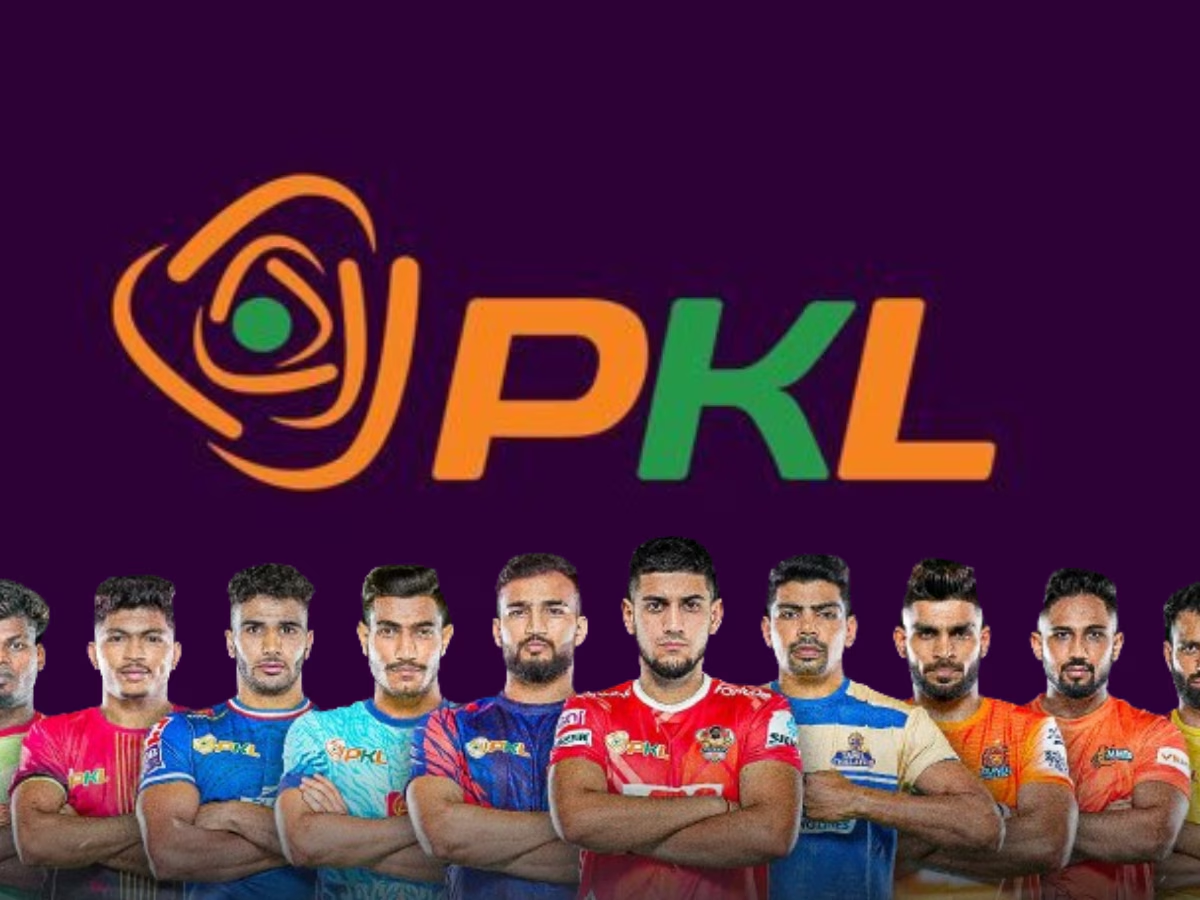
The Pro Kabaddi League (PKL) demonstrated that demand can be manufactured through clever design, even for sports that lacked global prestige or urban appeal. It utilized fast-paced formats and vivid television production to capture a modern audience that previously ignored the sport. However, the PKL eventually stumbled because it lacked the patience to build enduring character-driven narratives or secure the grassroots foundations necessary for permanent growth.
Most other sporting ventures in the country suffer from several recurring strategic errors:
- Confusing Participation with Market Fit: Assuming that a widely played sport will automatically attract a paying television audience.
- Flawed Financial Foundations: Relying on inflated revenue forecasts while operating with unsustainably high overhead costs.
- Compromised Governance: Allowing sports federations to dictate commercial terms, which often erodes investor confidence and professional standards.
- Weak Storytelling: Failing to create the intense rivalries and player identities that provide the emotional “hook” for viewers.
Accessibility remains another significant hurdle, as inconsistent scheduling and poor digital promotion often lead to public indifference. Furthermore, confining events to a small handful of major cities prevents leagues from tapping into the intense local loyalties that drive sports culture across India. Even culturally significant sports like wrestling have struggled to convert their massive participation numbers into a viable, profitable league structure.
While newer, digital-centric models like professional chess are testing alternative paths to success, many traditional leagues remain stuck in a cycle of initial hype followed by financial collapse. Future success depends on building products specifically for the digital screen and ensuring that governance remains independent from political interference. Ultimately, prosperity in the Indian market requires a unique blueprint for every individual sport, rather than a failed attempt to mirror the IPL’s specific trajectory.