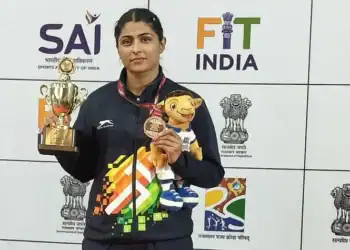
India’s outstanding performance at the 2026 Asian Games has prompted several state governments to announce record cash rewards for medal winners. Karnataka has increased its prize for gold medallists from ₹35 lakh to ₹1 crore, while Uttar Pradesh now offers ₹3 crore for gold, ₹1.5 crore for silver and ₹75 lakh for bronze. Himachal Pradesh has also announced a ₹2.5 crore reward for marathon silver medallist Sawan Barwal.
Generous incentives undoubtedly recognise years of sacrifice and provide athletes with valuable financial security. However, they also raise a larger question: are governments investing in producing future champions or simply rewarding those who have already reached the top?
Financial rewards matter, but they have limits
Large bonuses can motivate athletes, reduce financial uncertainty and allow them to continue competing at the highest level. They may also improve access to better training and preparation.
Yet financial incentives alone cannot produce elite performances. Success in international sport depends on high-quality coaching, sports science, nutrition, medical support, competition exposure and world-class training facilities. Cash rewards acknowledge achievement, but they cannot replace long-term athlete development.
Competition between states
Another issue emerging from these increasing rewards is competition among states for established athletes.
When one state offers significantly higher incentives than another, athletes may be encouraged to change their sporting affiliation, seek government employment elsewhere or represent a different state. While this may benefit individual athletes financially, it does not necessarily increase India’s overall sporting strength or expand the national talent pool.
Should Olympic success carry greater rewards?
Former Athletics Federation of India president Adille Sumariwalla has argued that the country’s largest financial incentives should be reserved for Olympic Games and World Championships rather than continental events.
His proposal of a ₹30 crore reward for Olympic gold aims to encourage athletes to focus on the highest level of international competition instead of viewing Asian Games or Commonwealth Games success as the final objective.
The idea highlights an important debate over whether reward structures should better reflect the global hierarchy of sporting achievement.
Investing in future champions
The cost of a single large medal reward could also finance long-term grassroots development.
Depending on local conditions, similar funding could help modernise school sports facilities, purchase equipment, organise district competitions and support coaching, nutrition and athlete scholarships for several years.
India has already introduced important initiatives through Khelo India, the Sports Authority of India (SAI), the Target Olympic Podium Scheme (TOPS) and various state programmes. The challenge is ensuring these investments remain consistent, accessible and effective across the country.
Development and rewards should work together
The debate should not be framed as a choice between rewarding elite athletes and funding grassroots sport.
Both are necessary. Medal bonuses provide recognition and financial security, while sustained investment creates the next generation of champions. A modern training facility without qualified coaches offers limited value, just as scholarships without regular competition opportunities may fail to retain talented athletes.
Measuring success differently
Perhaps states should publish more than just the amount spent on medal bonuses.
Tracking how many young athletes enter structured development programmes, progress to national competitions and remain in sport over several years would provide a clearer picture of long-term sporting development.
Ultimately, India’s sporting future will depend not only on celebrating international medallists, but also on building systems capable of producing them consistently.
FAQ
Why are Indian states increasing medal rewards?
States are raising financial incentives to recognise international sporting achievements, provide athletes with financial security and encourage greater participation in elite sport.
Can higher cash rewards improve sporting performance?
Financial incentives can motivate athletes and support their careers, but elite success also depends on coaching, infrastructure, sports science and regular high-level competition.
Why is there concern about competition between states?
Significant differences in reward policies may encourage athletes to change state affiliations for better financial opportunities rather than increasing India’s overall sporting talent.
What is the long-term challenge?
The key challenge is balancing generous rewards for medal winners with sustained investment in grassroots programmes that identify and develop future champions.