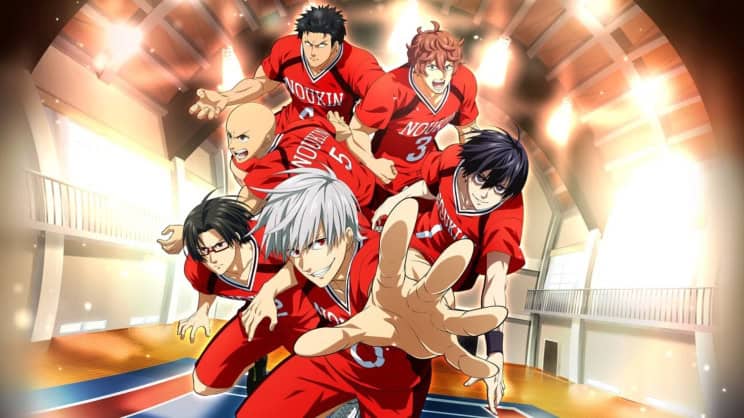
Kabaddi may have originated in South Asia, with India dominating the sport for decades, but Japan has carved out its own unique connection to the game through an unexpected source – a popular manga series.
During the 2026 Asian Games in Aichi-Nagoya, Japan’s men used the home tournament to bring greater attention to kabaddi and showcase the sport to a wider domestic audience. Japan’s men’s team is hoping a strong performance on home soil can introduce more people to the sport and inspire a new generation of players.
Manga Sparks Interest in Kabaddi
Japan captain Tetsuro Abe believes the biggest reason behind the sport’s gradual growth is the manga Burning Kabaddi.
“There’s a manga comic in Japan called Burning Kabaddi. A lot of the Japan players started out that way, probably more than 80 percent,” Abe told AFP.
The series has introduced many Japanese readers to a sport with little mainstream presence in the country.
Balancing Jobs and International Sport
Unlike players from traditional kabaddi nations, most members of Japan’s squad are amateur athletes.
Many balance international competition with full-time careers as teachers, office workers or food industry employees.
“We all work and play kabaddi. We don’t get money for playing kabaddi,” Abe said after Japan’s 62-35 victory over Korea on September 24 that kept their Asian Games hopes alive.
Japan had earlier suffered a heavy defeat to defending champions India but remained determined to compete against Asia’s strongest teams.
Home Games Bring New Attention
Hosting the Asian Games has provided Japanese kabaddi with valuable exposure.
Several hundred schoolchildren attended matches after receiving complimentary tickets, while Prince Hisahito also visited the competition, giving the sport rare national attention.
Teacher Kumpei Tanaka introduced kabaddi to his students before the Games using online videos.
“Two weeks ago we started learning about kabaddi on YouTube, and I taught the kids that way,” he said.
One nine-year-old student compared the game to a familiar childhood activity.
“It’s fun, a bit like playground tag we play at school.”
Building for the Future
Japan’s kabaddi federation was established in 1981 and has organised national and regional competitions since 1989. Japan’s men previously won Asian Games bronze in 2010, which remains their best result at the event.
The men’s team also claimed the inaugural East Asian Men’s Kabaddi Championship title in 2025, highlighting the country’s gradual progress in the sport.
Abe believes kabaddi’s simplicity could help attract more participants because it requires very little equipment.
“It’s stuck as a minor sport in Japan and we want to make it more well known and attract sponsors,” he said.
“If we have a good environment to do it in, I think we will be able to beat teams like India and Iran.”
Although Japan did not reach the medal rounds, the home Games still gave kabaddi unusual visibility and reinforced the sport’s growing foothold in the country. With growing public interest, increasing youth participation and the visibility provided by the Asian Games, Japan hopes kabaddi can continue its steady rise beyond its traditional South Asian heartland.