The International Premier Kabaddi League 2026 concluded its European edition on August 16 with a high-energy championship finale at the Sportcampus Zuiderpark in The Hague, Netherlands. Running from August 12 to August 16, the tournament brought teams and players from across Europe together for a five-day celebration of kabaddi.
Organized under the Netherlands Kabaddi Federation and founder Sohan Tusir, the tournament aimed to take the sport beyond its traditional markets by combining experienced Indian talent with emerging European players.
International Premier Kabaddi League 2026 Final
The IPKL 2026 featured six men’s teams and four women’s teams, with 27 matches played across the league phase and knockout stages. The men’s division included Delhi Diamond, Amsterdam Flying Dutchmen, London Royal Lions, Berlin Black Eagle, Copenhagen Thunder Vikings and Oslo Nordic Wolves.
The women’s competition featured Delhi Diamond Women, Amsterdam Flying Dutchwomen, Budapest Mighty Bulls Women and Berlin Black Eagle Women.
The final day on August 16 brought the tournament’s biggest matches to The Hague, with the championship finale providing the climax to a week of competitive kabaddi.
The tournament was also supported by Sports Vision TV and SportVot for broadcast coverage, while former India kabaddi star Mohit Chhillar served as tournament guest and mentor.
IPKL 2026 Final Result and Key Moments
The IPKL 2026 final result capped a tournament that delivered several close and entertaining encounters. Throughout the league phase, matches between Amsterdam, Copenhagen, London and Delhi featured aggressive raiding, super tackles and rapid bonus point hunting.
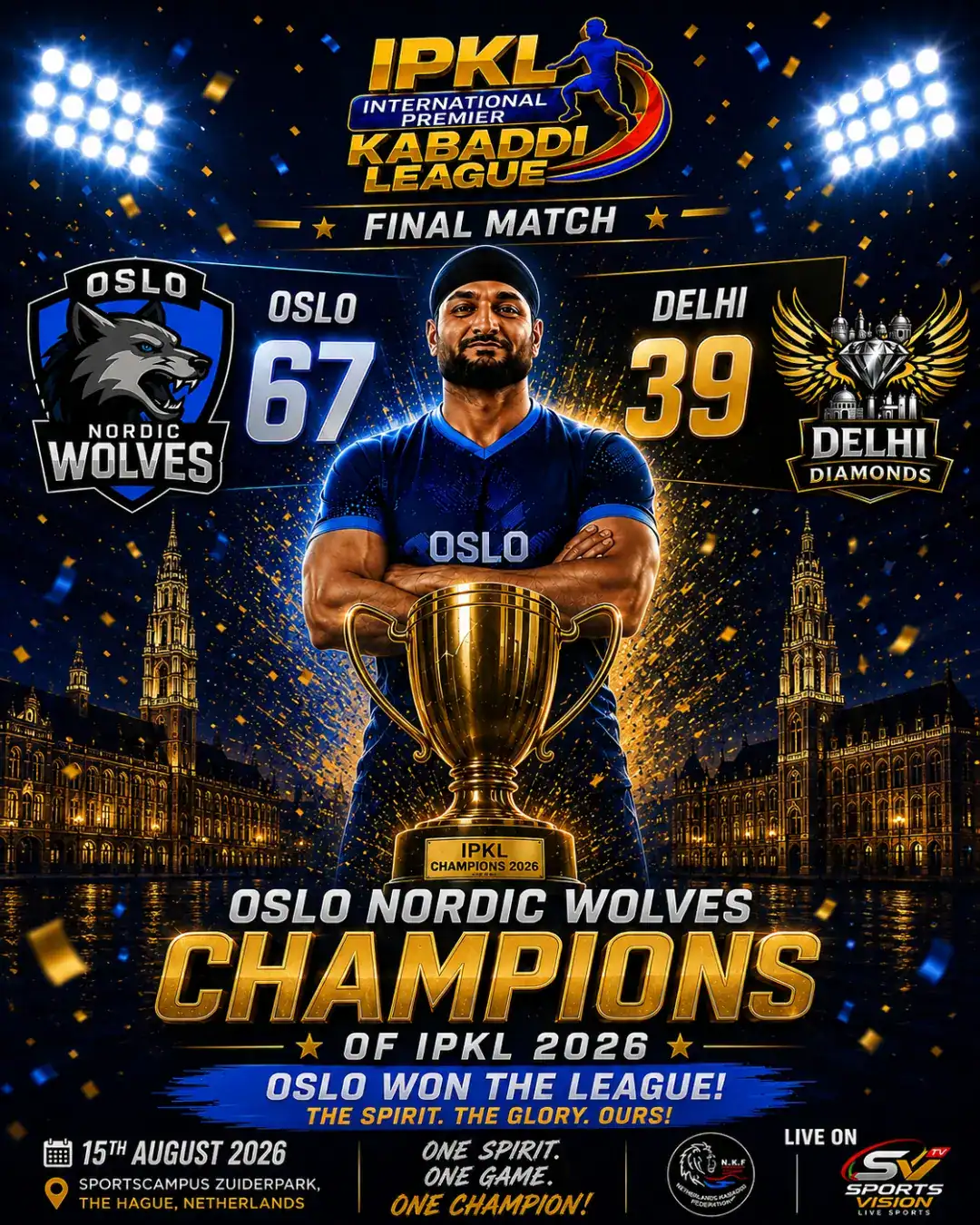
Oslo Nordic Wolves won the International Premier Kabaddi League (IPKL) 2026 championship on August 15, 2026. They defeated the Delhi Diamonds team in the final with a score of 67–39.
One of the biggest features of the competition was the use of international mat-standard playing conditions and digital scoring across all 27 matches. These elements helped create a professional match environment and gave European players valuable exposure to modern kabaddi standards.
The final day was particularly important for the league as it showcased the growing quality of kabaddi outside Asia. Back-to-back high-stakes fixtures built momentum before the championship final, giving the tournament a fitting conclusion.
IPKL Final Highlights
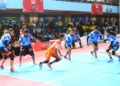
The IPKL final highlights were representative of the tournament’s fast-paced style. European indoor conditions encouraged raiders to attack aggressively, while defenders had to react quickly to prevent easy points.
The 30-second raid clock also placed greater emphasis on decision-making. Raiders capable of producing quick hand touches and returning safely to their half were particularly valuable.
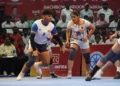
On the defensive side, coordinated chain tackles and ankle holds became important weapons. Teams that maintained their defensive structure under pressure were often able to swing momentum through super tackles and multi-point defensive sequences.
Full Analysis
The tournament demonstrated how kabaddi can develop through a combination of international experience and local participation. Indian domestic players brought technical knowledge and tactical discipline, while European athletes gained experience competing against more established kabaddi players.
The women’s competition was another important part of the IPKL’s structure. The four-team division provided a platform for players from different countries and helped expand the sport’s reach across Europe.
The International Premier Kabaddi League 2026 final therefore represented more than just the conclusion of a tournament. It was part of a broader attempt to establish kabaddi as a competitive indoor sport in Europe.
With 27 matches completed across five days, the IPKL 2026 European edition provided valuable exposure, competitive experience and a foundation for future growth. The combination of faster mat conditions, aggressive tactics, digital scoring and cross-border participation made the competition an important step in the sport’s international expansion.