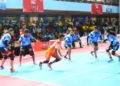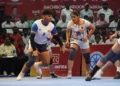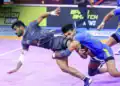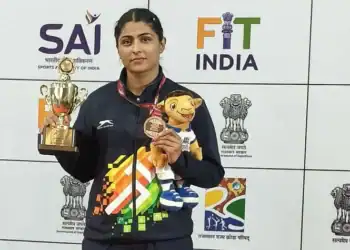
The race for places in India’s national kabaddi teams has become more competitive than ever ahead of the 2026 Asian Games in Aichi Nagoya. Outstanding performances in recent domestic tournaments have created several new contenders for the national squad, making the India Kabaddi selection race one of the biggest talking points in the sport.
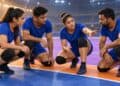
The Amateur Kabaddi Federation of India (AKFI) has organised national coaching camps to assess players before announcing the final 12 member squads. Performances in the 72nd Senior National Kabaddi Championship, the 5th Senior Federation Cup, and recent Pro Kabaddi League seasons have played a major role in determining who gets an opportunity.
Kabaddi Domestic Performers Impress Selectors
Several Kabaddi domestic performers have made a strong case for international selection through consistent displays across domestic competitions.
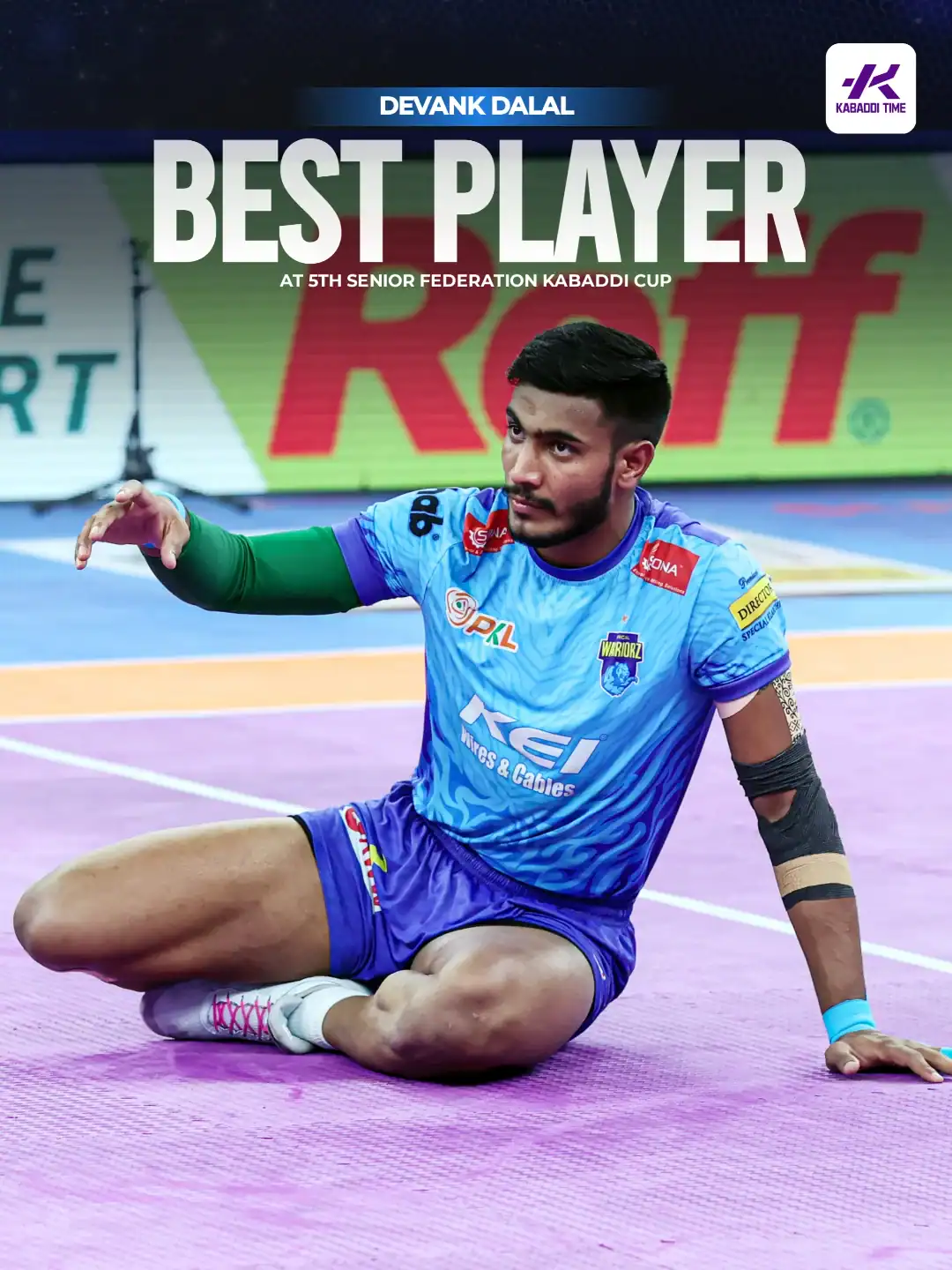
Devank Dalal has emerged as one of the standout raiders after winning the Best Player award at the 5th Senior Federation Cup. Representing Services, he has become one of the leading candidates for a place in India’s raiding unit.
Ayan Lohchab has also strengthened his chances after an impressive Pro Kabaddi League campaign, where he scored 316 raid points. His ability as a left raider gives selectors an important tactical option.
Defender Deepak Sankar has continued his rise after being named the New Young Player of PKL Season 12. His 64 tackle points for Bengaluru Bulls have made him one of the brightest defensive prospects in Indian kabaddi.
Aditya Shinde, Ankit Jaglan, and Nitesh Kumar have also delivered strong performances, increasing competition in both the raiding and defensive departments.
India Kabaddi Selection Race Intensifies
The India Kabaddi selection race is particularly competitive in the raiding department. Experienced stars such as Pawan Sehrawat, Naveen Kumar, and Arjun Deshwal continue to offer leadership and big match experience.
However, younger players like Ashu Malik, Devank Dalal, and Ayan Lohchab have put pressure on the senior players with outstanding domestic performances.
Selectors are not only looking at individual statistics but also focusing on the balance between left and right raiders. Creating effective combinations is considered essential before facing strong international opponents such as Iran and South Korea.
Defenders Face Tough Competition
The Kabaddi National Team selection battle is equally intense among defenders.
Sunil Kumar and Jaideep Dahiya remain favourites for the cover positions because of their experience and strong understanding on the mat. However, younger defenders are making it difficult for selectors.
Players such as Ankit Jaglan and Deepak Sankar have challenged experienced names including Sumit Sangwan and Surjeet Singh for the corner positions. Their consistent performances in domestic competitions have shown they are ready for the next level.
Women’s Team Also Faces Strong Competition
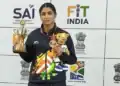
Competition is just as strong in the women’s national camp. Experienced players including Pooja Narwal, Sonali Vishnu Shingate, Ritu Sheoran, and Pinki Roy continue to lead the group.
At the same time, talented players from Indian Railways, Haryana, Himachal Pradesh, Rajasthan, and Gujarat have earned opportunities after impressive performances in the Senior National Women’s Championship.
With India drawn alongside Iran in the Asian Games group stage, selectors are placing extra importance on fitness, tactical awareness, and the ability to perform under pressure.
Final Selection Based on Multiple Factors
The Kabaddi National Team selection will not depend only on domestic records. AKFI will also evaluate fitness, agility, tactical flexibility, team combinations, performance during pressure situations, and consistency across recent tournaments.
With so many talented Kabaddi domestic performers pushing for limited places, the competition remains wide open. The coming weeks of national coaching camps will determine which players earn the chance to represent India at the 2026 Asian Games and compete for another gold medal.