The Growth of Women’s Kabaddi Reaches a New Level
The growth of women’s kabaddi has been one of the biggest success stories in Indian sports over the last few years. Once seen mainly as a rural sport, women’s Kabaddi is now becoming more professional and attracting greater attention from fans, broadcasters, and sponsors.
New leagues, better competitions, and rising international interest have created fresh opportunities for female players. While there is still a long way to go, the future looks brighter than ever.
New Opportunities for Women’s Kabaddi
One of the biggest reasons behind the growth of women’s kabaddi is the launch of professional competitions.
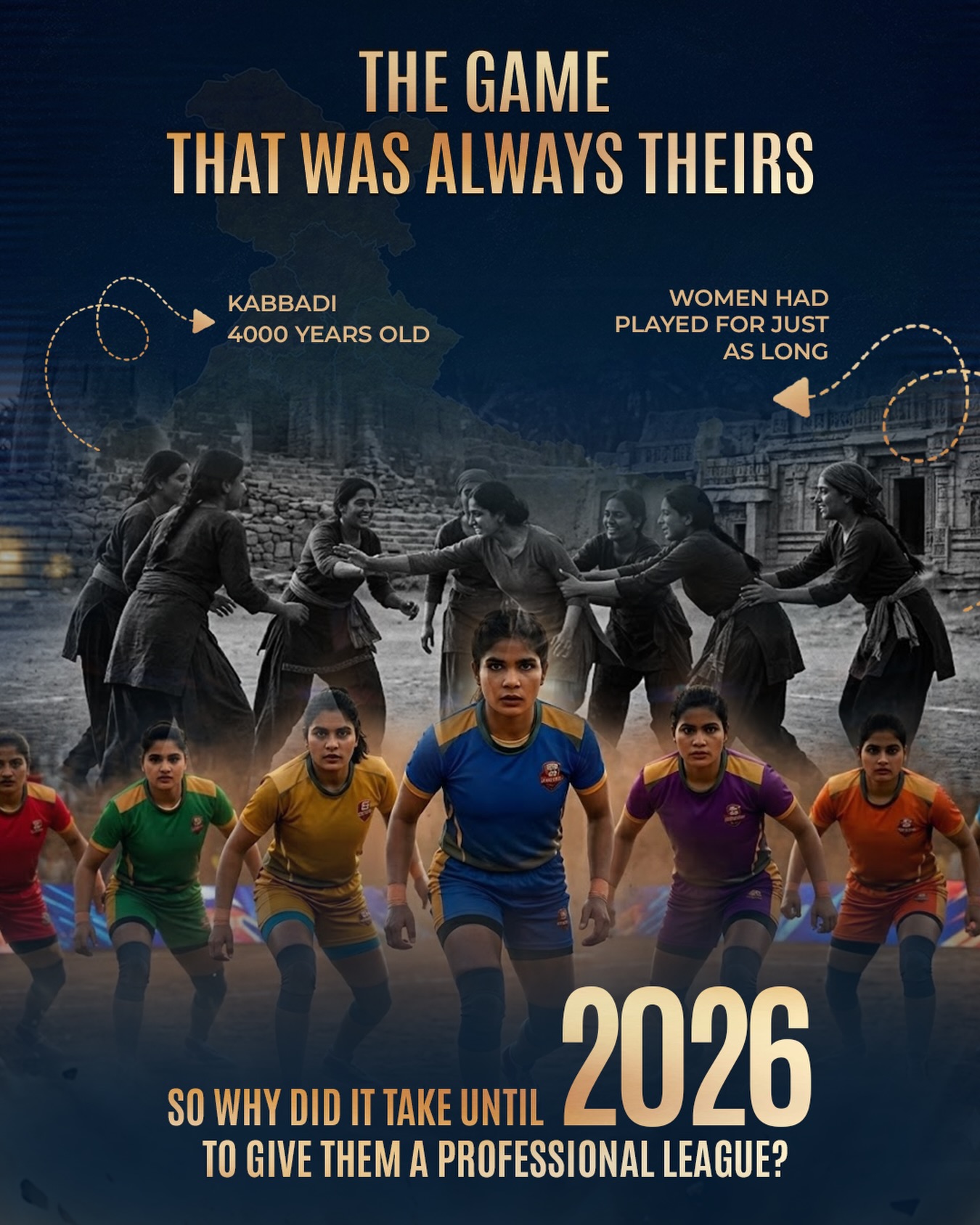
The Asian Kabaddi League has announced an eight-team women’s league starting in August 2026. With television coverage through Sony Sports Network, it will become the first fully professional women’s Kabaddi league in the world. This is expected to provide regular playing opportunities and better financial support for players.
Domestic events also continue to play an important role. Competitions like the Women’s Senior National Kabaddi Championship help discover new talent from different states. These tournaments also prepare players for major international events such as the Asian Games.
International competitions are also expanding. New leagues involving players from more than 15 countries are helping Kabaddi grow beyond South Asia. This could also support the sport’s long-term dream of becoming part of the Olympic Games.
Challenges Facing Women’s Kabaddi
Despite the progress, there are still many challenges facing women’s kabaddi.
One major issue is the lack of long-term career opportunities after retirement. Many male players receive stable jobs through sports departments, while female players often struggle to find similar support.
The financial gap is another concern. Women generally earn lower salaries, receive less prize money, and attract fewer sponsorship deals than men’s competitions. Many players still spend their own money on equipment, travel, and nutrition.
Safety and family concerns also affect participation. Since Kabaddi is a contact sport with a risk of injuries, some families remain hesitant about allowing young girls to take up the game. In many areas, access to quality coaching, medical care, and training facilities is also limited.
These challenges facing women’s kabaddi must be addressed if the sport wants to continue growing.
Building a Better Future
The future of women’s kabaddi depends on creating equal opportunities for female athletes.
Many experts believe both men and women should compete on the same court size. Supporters of this idea say it promotes equality, improves competition, and makes tournaments easier to organize.
There is also a need for more investment from companies, stronger school and college competitions, and better coaching systems. Programs like Khelo India can help young girls develop their skills and earn sports scholarships.
The Road Ahead
The future of women’s kabaddi looks promising, but success will depend on continued support from sports organizations, broadcasters, sponsors, and fans.
The growth of women’s kabaddi has already shown that female players have the talent and determination to succeed at the highest level. By reducing the challenges facing women’s kabaddi and creating more professional opportunities, the sport can continue to grow and inspire the next generation of players across India and around the world.