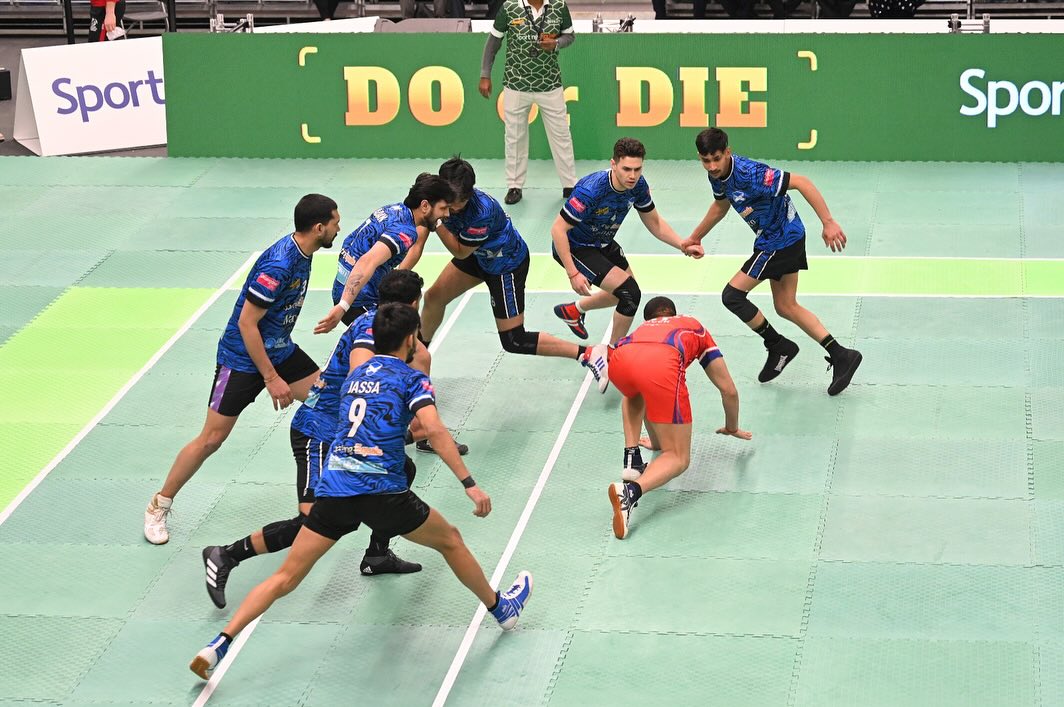
What Are Do-or-Die Raids in Kabaddi?
Modern Kabaddi is faster and more exciting than ever, and one of the biggest reasons is the Do-or-Die raid rule. This rule was introduced to stop teams from wasting time with repeated empty raids and to make every match more competitive.
If you are looking for Do-or-Die raids explained, it is important to understand that a team cannot continue making empty raids without facing a penalty. The rule forces raiders to attack and creates thrilling moments that can completely change the result of a match.
How Do-or-Die Raids Work
Many fans often ask how Do-or-Die raids work. The rule is simple.
A team is allowed two consecutive empty raids, where the raider returns without scoring a point. If the same team goes into a third straight empty raid, it becomes a Do-or-Die raid.
During this raid, the player has 30 seconds to score at least one point. The raider can do this by touching a defender and returning safely to their side or by taking a bonus point if the conditions allow.
If the raider fails to score, they are immediately declared out. The defending team receives one point and also brings back one of their eliminated players.
This rule keeps the game moving and creates exciting moments throughout the match.
Kabaddi Decision Making Under Pressure
One of the biggest reasons the rule is so important is the impact it has on kabaddi decision-making.
Defending teams often use smart tactics by allowing the first two raids to end without a tackle. This forces the opposition into a Do-or-Die situation, where the raider has no choice but to attack.
The attacking team must then decide which player should take the responsibility. Many teams use a specialist raider who is calm under pressure and skilled at collecting single points. This helps protect their main attacking players from getting out in risky situations.
Every decision made during these moments can change the flow of the match.
Pressure Situations in Kabaddi
The biggest challenge during a Do-or-Die raid is handling the pressure situations in kabaddi.
As the countdown clock continues, defenders become more confident because they know the raider must attack. They move closer together and close the escape routes.
The raider must stay calm and choose the right moment to make a quick move. A running hand touch or a fast toe touch is often used to surprise the defenders before they react.
If the raider waits too long, the defenders can launch a strong tackle and stop the attack.
Why Do-or-Die Raids Decide Matches
The best example of Do-or-Die raids explained comes during close matches. A failed raid can reduce the number of players on the mat and even lead to an All Out, giving the opposition extra points.
These raids can also create Super Tackle opportunities when only three defenders remain. In the final minutes of a match, one successful or unsuccessful Do-or-Die raid can completely change the result.
That is why kabaddi decision-making, handling pressure situations in kabaddi, and understanding how Do-or-Die raids work are among the most important parts of modern Kabaddi.